Enterprise compute
Configurable server processors provide the host compute foundation for applications, virtualization and data services.
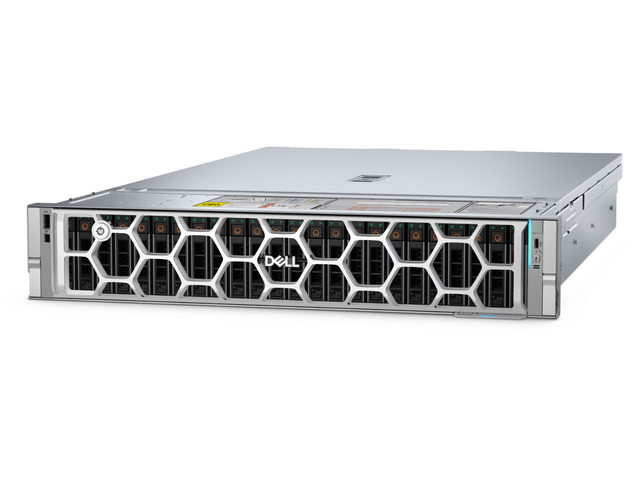
$4,500.00
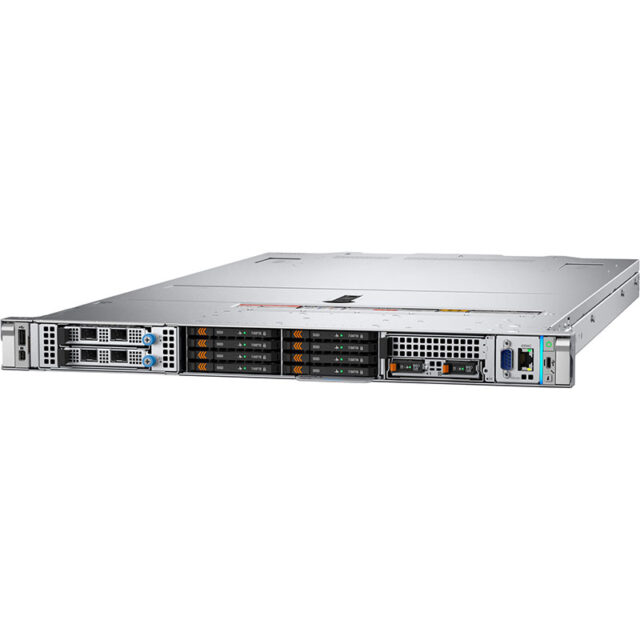
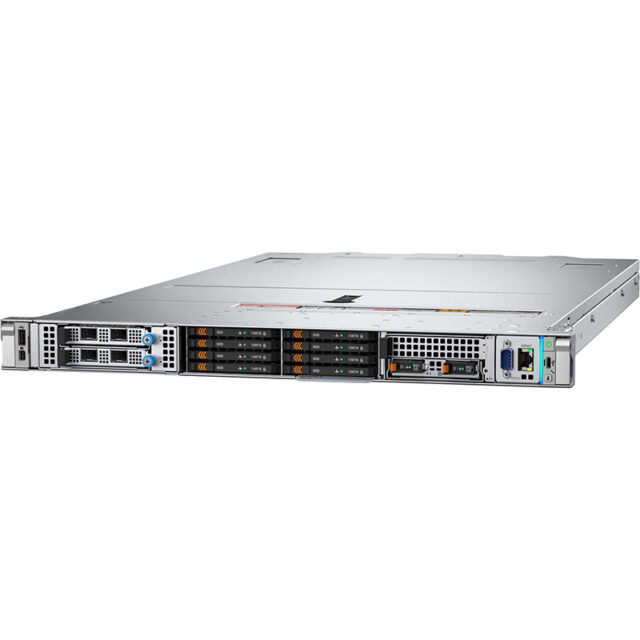
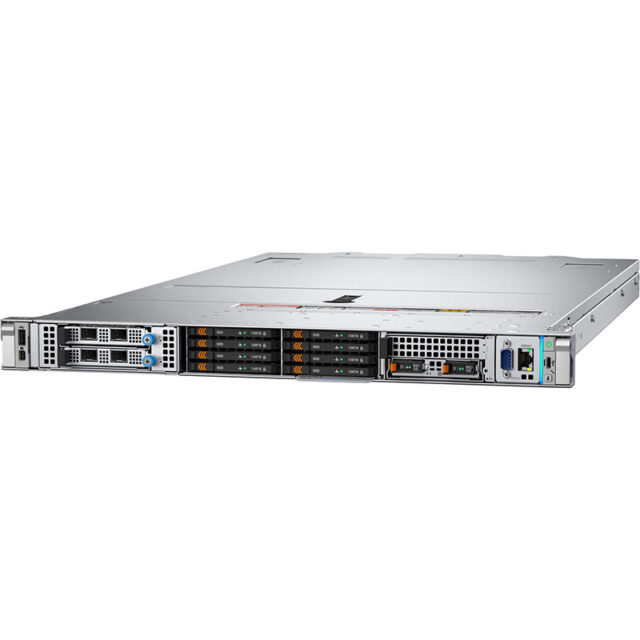
Lenovo ThinkSystem SR630 V3 is a Lenovo 1U rack server class designed for virtualization, databases, cloud services, analytics and enterprise infrastructure. It provides a configurable Intel Xeon or AMD EPYC platform according to the ThinkSystem model, enterprise ECC memory, high-speed storage, networking and management options. Final CPU, memory, storage, accelerator and network selections should be matched to the deployment target.
Related products, categories and research.
Lenovo ThinkSystem SR630 V3 is a Lenovo 1U rack server class designed for virtualization, databases, cloud services, analytics and enterprise infrastructure. It provides a configurable Intel Xeon or AMD EPYC platform according to the ThinkSystem model, enterprise ECC memory, high-speed storage, networking and management options. Final CPU, memory, storage, accelerator and network selections should be matched to the deployment target.
Enterprise servers are configuration-driven products. The model defines the chassis and platform capabilities, while production performance depends on the ordered processors, memory population, storage backplane, network adapters, accelerators, firmware and cooling design.
Lenovo ThinkSystem SR630 V3 is a Lenovo 1U rack server class designed for virtualization, databases, cloud services, analytics and enterprise infrastructure. It provides a configurable Intel Xeon or AMD EPYC platform according to the ThinkSystem model, enterprise ECC memory, high-speed storage, networking and management options. Final CPU, memory, storage, accelerator and network selections should be matched to the deployment target.
Core platform capabilities and practical deployment considerations for the named model.
Configurable server processors provide the host compute foundation for applications, virtualization and data services.
Enterprise ECC memory architecture is designed for sustained, serviceable production workloads.
Modern NVMe and enterprise storage options support fast datasets, databases and application tiers.
Platform expansion supports high-speed network adapters for east-west traffic, storage fabrics and cluster connectivity.
Out-of-band administration and lifecycle tooling support monitoring, firmware maintenance and service workflows.
Rack-server design emphasizes redundant power, replaceable components, health monitoring and controlled maintenance.
Representative professional use cases. Final suitability depends on the exact configuration and application requirements.
Dense virtual-machine and private-cloud infrastructure.
Transactional and analytical database tiers.
Enterprise middleware, APIs and business applications.
Analytics, data processing and software-defined infrastructure.
Container orchestration and modern service platforms.
Identity, file, network and management workloads.
Use these model-level specifications for evaluation, then confirm the exact SKU, revision and ordered configuration before deployment.
The final quotation should make the exact configuration explicit so procurement, installation and acceptance teams are working from the same bill of materials.
Server chassis with the processors, memory, storage, networking, accelerators and management options listed in the final BOM.
Rails, power cords, transceivers, rack/cooling accessories, operating-system items and support coverage are specified according to the deployment.
Practical checks to complete before the final purchase order.
Yes. Server CPU, memory, storage, networking, accelerators and support should be selected from the platform’s supported configuration matrix and matched to the intended workload.
Provide rack depth, available U space, power feeds, cooling capacity, network fabric, ambient conditions and any liquid-cooling requirements for accelerator-dense systems.
Where the platform supports accelerators, the complete GPU topology, firmware, power, cooling, host memory and networking must be specified as one validated configuration.
Supported operating systems and hypervisors depend on platform generation, selected hardware and vendor certification. Confirm the exact OS/driver combination before deployment.
A complete BOM should identify processors, DIMMs, drives, controllers, NICs, accelerators, PSUs, rails, support level, operating-system requirements and any rack or cooling accessories.
Lenovo supplies enterprise compute platforms for production data centers. The exact configuration of Lenovo ThinkSystem SR630 V3 should be matched to workload, rack, power, cooling, network and support requirements before deployment.
Use the quotation stage to lock the exact model, configuration, compatibility requirements and delivery package before shipment.
Confirm the named SKU/revision and required accessories before order release.
Match the equipment to workload, facility, software and integration requirements.
Align packing, insurance, destination requirements and receiving/site readiness.
Keep the quotation, BOM and available product documentation aligned for deployment.
Explore the Networking & AI Infrastructure catalogue, browse related products, or contact AI Robot Supplier for model, configuration and delivery checks. Manufacturer-level product-family information is available from Lenovo.
Send the intended use, destination and required configuration so the quotation can be matched to the real deployment.
Tell us what you need — we respond within one business day.