Autonomous navigation
Mobile autonomy supports dynamic material movement without a fixed conveyor path.
$42,000.00
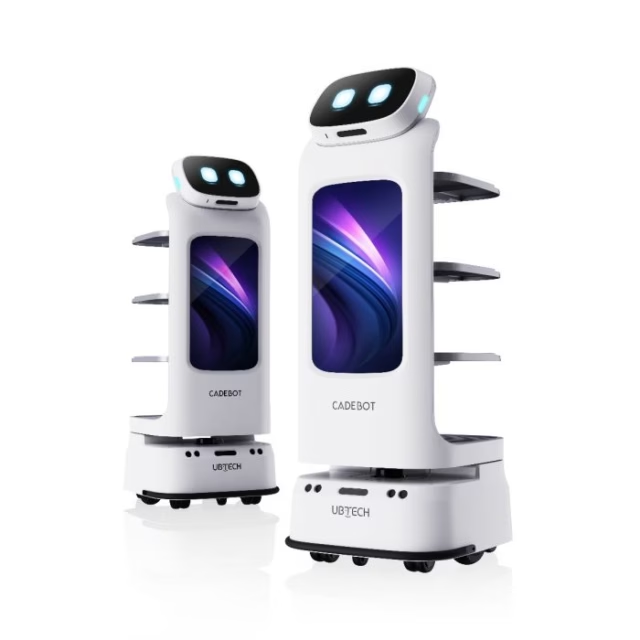
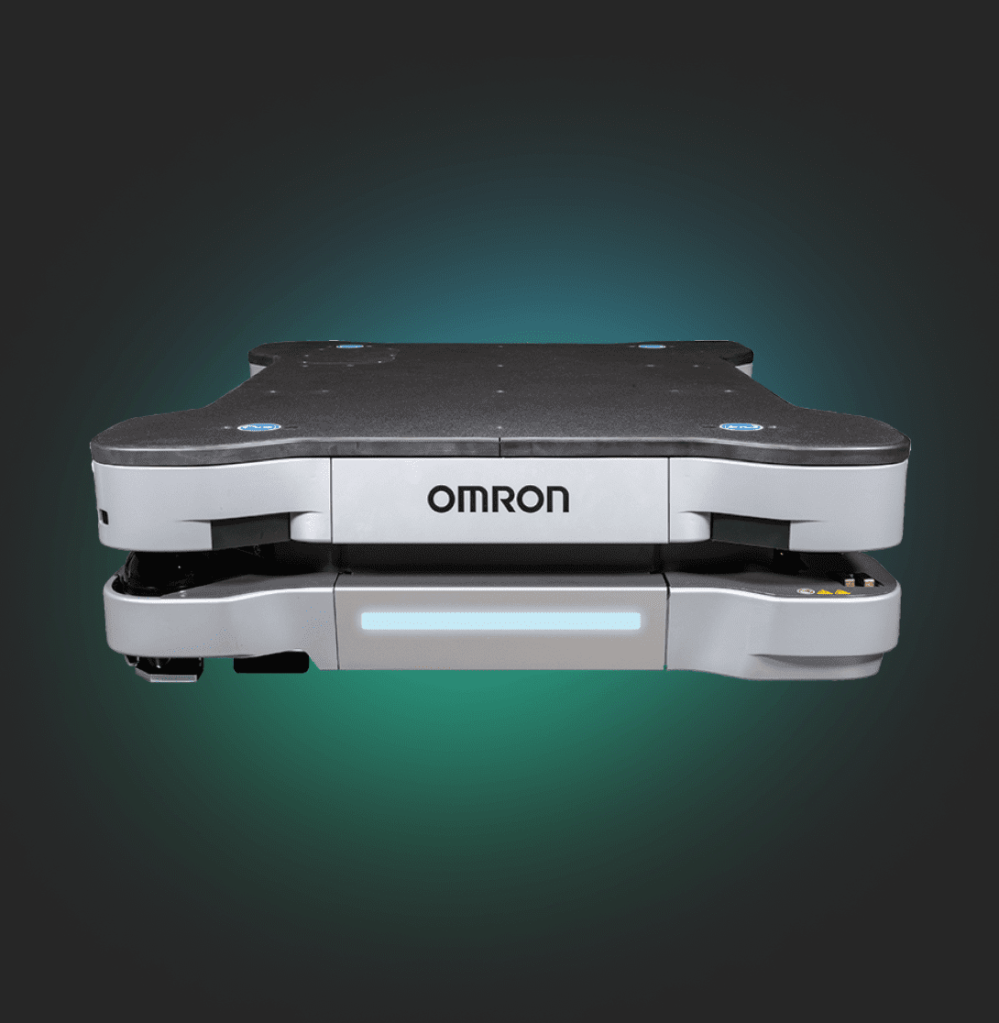
OMRON MD-650 Autonomous Mobile Robot is a OMRON autonomous mobile robot engineered for intralogistics, line-side replenishment, work-in-process movement and flexible material transport. Published/model-class specifications include up to 650 kg payload class. The complete automation cell should be engineered around the actual payload, reach, end effector, safety system, controller, guarding and production cycle.
Related products, categories and research.
OMRON MD-650 Autonomous Mobile Robot is a OMRON autonomous mobile robot engineered for intralogistics, line-side replenishment, work-in-process movement and flexible material transport. Published/model-class specifications include up to 650 kg payload class. The complete automation cell should be engineered around the actual payload, reach, end effector, safety system, controller, guarding and production cycle.
A robot arm or mobile base becomes productive only when it is engineered into the real process. Product selection should therefore combine model specifications with tooling, part geometry, fixtures, controller/I/O, safety, cell layout, cycle-time targets and commissioning requirements.
OMRON MD-650 Autonomous Mobile Robot is a OMRON autonomous mobile robot engineered for intralogistics, line-side replenishment, work-in-process movement and flexible material transport. Published/model-class specifications include up to 650 kg payload class. The complete automation cell should be engineered around the actual payload, reach, end effector, safety system, controller, guarding and production cycle.
Core platform capabilities and practical deployment considerations for the named model.
Mobile autonomy supports dynamic material movement without a fixed conveyor path.
Multi-robot deployments can coordinate jobs, routes, charging and traffic through compatible fleet software.
Top modules and material interfaces can be engineered for totes, carts, racks, conveyors or custom loads.
Industrial safety scanners and control functions support operation in shared factory and warehouse environments.
Connect AMR missions to MES, WMS, line controls and facility workflows through supported interfaces.
Charging strategy, spare batteries/modules and mission scheduling can be designed around the required duty cycle.
Representative professional use cases. Final suitability depends on the exact configuration and application requirements.
Move components and kits from storage to production cells.
Transfer parts between manufacturing stages without fixed conveyors.
Move totes, racks or carts through repeatable internal logistics routes.
Transport completed items to packing, staging or dispatch areas.
Model-dependent mobile transport in environments with defined cleanliness requirements.
Reconfigure routes and missions as production lines or warehouse zones change.
Use these model-level specifications for evaluation, then confirm the exact SKU, revision and ordered configuration before deployment.
The final quotation should make the exact configuration explicit so procurement, installation and acceptance teams are working from the same bill of materials.
Named robot or AMR with the manufacturer controller/core platform and model-specific standard components defined in the quotation.
End effector/top module, vision, safety equipment, fixtures, cabling, fieldbus, integration, training and commissioning are selected around the actual task.
Practical checks to complete before the final purchase order.
The robot is the core motion platform. A complete cell normally also requires controller, end effector, fixtures, safety devices, guarding or collaborative-risk controls, PLC/I/O, cabling, integration and commissioning.
Validate payload, reach, wrist torque/inertia, tool center point, part mass, process force, mounting orientation, cycle time and required safety margins using the real end-effector and part.
Most industrial robot platforms can integrate with vision, PLCs and machine interfaces through supported hardware and software. The exact controller and fieldbus options should be confirmed for the application.
The complete robot application requires a formal risk assessment and appropriate safeguarding, emergency-stop, safety I/O and validation. Collaborative robots still require application-level safety engineering.
Yes. Cell layout, utilities, mounting, controller location, tooling, safety, network interfaces and acceptance criteria should be defined before the robot arrives.
OMRON develops industrial automation platforms for manufacturing and material-flow applications. OMRON MD-650 Autonomous Mobile Robot should be specified as part of a complete engineered system including controller, tooling, safety, integration and commissioning requirements.
Use the quotation stage to lock the exact model, configuration, compatibility requirements and delivery package before shipment.
Confirm the named SKU/revision and required accessories before order release.
Match the equipment to workload, facility, software and integration requirements.
Align packing, insurance, destination requirements and receiving/site readiness.
Keep the quotation, BOM and available product documentation aligned for deployment.
Explore the Robots catalogue, browse related products, or contact AI Robot Supplier for model, configuration and delivery checks. Manufacturer-level product-family information is available from OMRON.
Send the intended use, destination and required configuration so the quotation can be matched to the real deployment.
Tell us what you need — we respond within one business day.