Robotic Palletizing: What PACK EXPO 2026 Means for Buyers
 airobot_admin
•
Robotics Research
•
Updated October 25, 2026
•
13 min read
Automation intelligence for serious technology buyers.
Packaging automation / October 2026 analysis Robotic palletizing: buy for the complete production flow Robotic palletizing was a prominent theme in manufacturer announcements around PACK EXPO International 2026. The useful buying discussion extends beyond how quickly an arm moves a box: it includes case presentation, gripping,…
Packaging automation / October 2026 analysis
Robotic palletizing: buy for the complete production flow
Robotic palletizing was a prominent theme in manufacturer announcements around PACK EXPO International 2026. The useful buying discussion extends beyond how quickly an arm moves a box: it includes case presentation, gripping, pallet exchange, line controls and support after installation.
This guide examines the recent announcements and explains eight checks for selecting equipment that fits your actual cartons, pallets and operating requirements.
Read the news analysis Discuss your palletizing applicationWhat PACK EXPO 2026 adds to the robotic palletizing discussion
PACK EXPO International 2026 took place in Chicago from 18–21 October. Manufacturer announcements around the event placed palletizing within a wider packaging and material-flow system.
Vention’s 18 October release discussed Rapid Series Palletizer 3.0 alongside monitoring, controls and post-deployment support developments. Its article also distinguished current updates from planned features, including custom templates described for 2027.
Read Vention’s official PACK EXPO release.
KUKA’s event page described a double-sided palletizing and depalletizing cell combining an industrial robot with autonomous pallet movement. Signode’s announcement described connected case-handling, conveying and collaborative palletizing equipment.
For buyers, these announcements make robotic palletizing a line-integration question. A proposal should explain how boxes arrive, how finished pallets leave and who restores operation after an interruption.
These are attributed manufacturer examples. They do not establish that AI Robot Supplier supplies those complete branded systems or that their demonstrated performance applies to another equipment combination.
Define the line before selecting the robot
Send the case dimensions and weights, required pallet patterns, line rate, layout and pallet-removal method. Ask for a complete equipment and integration scope.
Request palletizing equipment guidanceEnd-of-line automation starts before the robot picks a box
End-of-line automation depends on how cases are formed, filled, sealed, identified and presented. A robot cannot maintain its intended output if cases arrive in an unsuitable orientation or the conveyor repeatedly waits for upstream work.
A robotic palletizing specification should define the handover point. State where a case becomes available, how its position is established and which system confirms that it is ready to pick.
Include the behaviour when the robot is unavailable or a pallet position is blocked. Decide whether upstream production pauses, accumulates cases or follows another agreed route. The required buffering affects both equipment selection and available floor space.
Measure normal variation in case arrival. A steady average rate can conceal short bursts that overwhelm an otherwise suitable cell. Provide representative production data rather than only a single boxes-per-minute target.
For an existing line, record the current sources of delay before proposing a solution. Robotic palletizing can address a handling task while leaving other constraints unchanged. A clear baseline makes the expected benefit easier to evaluate.
Cobot palletizing: compare the complete cell
Cobot palletizing can be relevant where the required load, reach, operating rate and integration scope fit the application. Selecting a collaborative arm does not establish the final cell’s operating conditions or safeguarding requirements.
The system includes the tool, workpiece, mounting, conveyors, pallet positions and access routes. Ask for an application-specific assessment covering the complete installation and the way people interact with it.
For robotic palletizing proposals, compare the same working conditions. A demonstration using one small carton and a low pallet does not establish output with your tallest load, heaviest case or most demanding pattern.
Check the production task
Provide the case range, target patterns, pallet dimensions and expected rate. Include the cases that are hardest to grip or position, even if they represent a small share of production.
Check human interaction
Map replenishment, inspection, pallet removal and recovery. Confirm how each activity affects operation and which tasks require the cell to pause.
The most useful comparison is completed, acceptable pallet loads under the agreed operating conditions. Arm speed alone is not an adequate measure of the process.
Palletizing robots: calculate the complete attached load
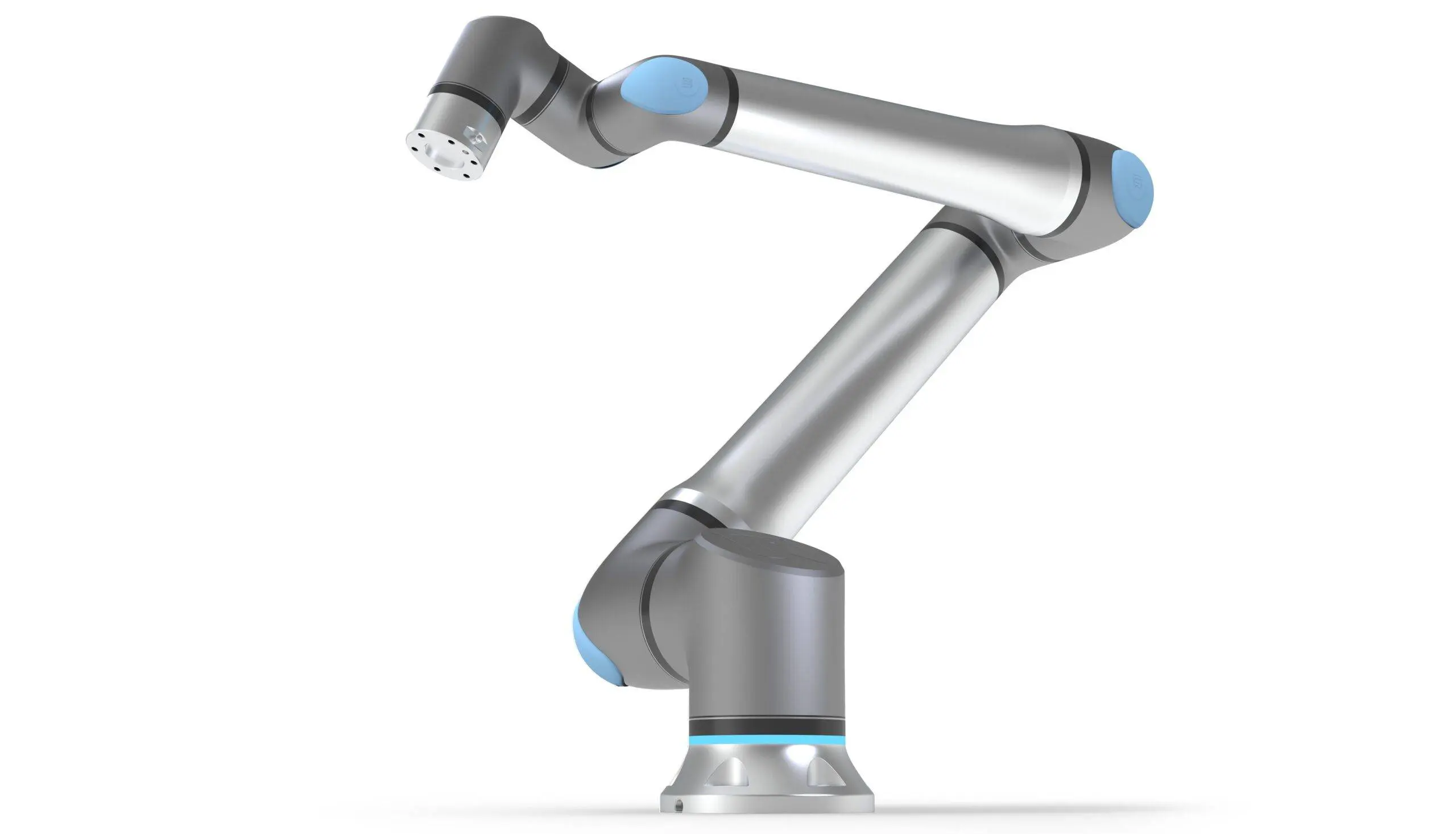
Palletizing robots must carry the tooling as well as the product. Include the gripper, adapters, brackets and other attached equipment when checking the permitted load and centre of gravity.
Universal Robots currently presents UR20-1750 with a 20 kg nominal payload and 1750 mm reach, and UR30-1300 with a 30 kg nominal payload and 1300 mm reach. The company also publishes expanded payload figures subject to the applicable conditions.
| Manufacturer reference | Nominal payload | Published reach | Buying check |
|---|---|---|---|
| UR20-1750 | 20 kg. | 1750 mm. | Validate the complete tool and case load at every required position. |
| UR30-1300 | 30 kg. | 1300 mm. | Confirm reach, loading conditions and the exact controller package. |
Sources: the official UR20-1750 and UR30-1300 product pages. Expanded payload operation requires checking the current manufacturer documentation and application conditions.
A robotic palletizing design should include the least favourable load orientation and tool offset. A case that is within a nominal weight figure can still produce an unsuitable load condition when held away from the flange.
Request the calculation and the relevant loading assumptions in the proposal. Keep them aligned with the actual supplied gripper and mounting package.
Vacuum grippers: test the actual carton surface
Vacuum grippers should be selected using the carton, contact area and intended movement. Cardboard condition, seams, labels, curvature and leakage can change the result even when two cases have the same external dimensions.
The OnRobot VGP30 is a pneumatic reference for this discussion. Its current datasheet lists a conditional cardboard-box payload of up to 30 kg, a tool mass of 3.1 kg and two vacuum channels. It requires external compressed air.
Source: OnRobot VGP30 datasheet, version 1.5.
For robotic palletizing, the gripper rating and robot rating remain separate limits. A 30 kg box plus a 3.1 kg gripper already exceeds 33 kg before additional mounting components. That calculation does not establish suitability for any arm; the exact loading envelope still needs validation.
The VGP30 documentation specifies compressed-air operation between 3 and 7 bar and discusses pressure loss through the installation. Confirm the conditions at the tool during operation rather than relying only on a static reading at the compressor.
Test representative cartons, including worn or more porous samples where they occur. Record grip establishment, retention during transfer and release behaviour. Include inspection for crushed panels, torn surfaces or other damage.
Reach and pallet geometry can change the robotic palletizing layout
Begin with the full pallet pattern and load height. Check the first layer, highest layer, furthest corner and any required approach around previously placed cases. The longest straight-line reach figure does not prove that the tool can complete every placement.
A robotic palletizing layout should also show the case pickup position, robot base, tool dimensions and nearby structures. Add the space needed for cables, hoses and normal maintenance access.
If the proposal uses a lift or another height-adjustment mechanism, include its effect on timing, controls and servicing. Ask how the complete system behaves when a position cannot be reached or the expected pallet height is incorrect.
Keep pallet variation in the test. Real pallets may not be positioned or shaped exactly like the demonstration fixture. Agree how the cell establishes the pallet reference and detects a condition outside its accepted range.
Robotic palletizing patterns need a load-quality specification
A pattern is more than a set of coordinates. Define the permitted case orientation, overhang, gaps, layer arrangement and completed-load condition for your distribution process.
Provide the expected carton strength and product distribution inside the case. A placement that looks neat can still produce an unsuitable load if cases deform or weight is concentrated in an unexpected way.
For robotic palletizing trials, inspect completed loads as well as individual placements. Include the required handover to wrapping, strapping or another downstream process, and agree who validates the result.
Changing the pattern may also change the tool approach and cycle time. Ask whether a new recipe requires engineering, an operator procedure or additional validation. Include that work in the changeover plan instead of treating every stored pattern as equally ready for production.
Pallet exchange is part of the robotic palletizing cycle
A cell can place cases quickly and still lose substantial operating time while a completed pallet waits for removal. Define how empty pallets arrive, how full pallets leave and which system coordinates those movements.
KUKA’s PACK EXPO event material described a two-sided cell intended to continue palletizing on one side while a completed pallet is removed from the other. That is a manufacturer example of designing around material flow, not a universal configuration requirement.
See KUKA’s official PACK EXPO application description.
For your robotic palletizing project, compare the actual removal method and staffing requirements. A forklift, pallet truck, conveyor or mobile robot creates a different handover process.
Include delayed removal and missing empty pallets in the acceptance plan. Specify how upstream production responds and how operators identify the next required action. This makes the throughput estimate more realistic.
8 essential robotic palletizing checks for better flow
- Define the case range. Record dimensions, weights, surfaces, fragility and difficult examples.
- Calculate the complete load. Include gripper, adapters, brackets and the carried product.
- Validate every placement. Check pallet corners, load heights, approach paths and tool clearance.
- Test the actual grip. Use representative cartons and the proposed air or electrical installation.
- Connect the line controls. Define infeed readiness, blocked conditions, stops and restart behaviour.
- Plan pallet exchange. Confirm the removal method, empty-pallet supply and effect on production.
- Agree acceptance evidence. Measure completed loads, damage, interventions, changeovers and downtime.
- Price support and lifecycle costs. Include integration, training, wear parts, software and service responsibilities.
Use these checks to compare robotic palletizing proposals on equivalent terms. If one offer excludes conveyors, tooling or commissioning, identify the missing scope before comparing the headline prices.
Request a complete application scope
Send your case list, pallet patterns, production data and layout. Ask for the proposed arm, tool, controls and installation assumptions, with unresolved points clearly identified.
Discuss a palletizing equipment shortlistAcceptance testing for end-of-line automation
End-of-line automation should be tested under representative operating conditions. Agree what counts as a completed case transfer and a completed acceptable pallet before the test begins.
A robotic palletizing acceptance run should include the expected case mix, pallet changes and normal interruptions. Record the work required from operators instead of counting only the time when the arm is moving.
| Test area | Include | Record separately |
|---|---|---|
| Case handling | Representative weights, surfaces and sizes. | Failed grips, damage and manual preparation. |
| Placement | All required pallet positions and layers. | Misplacement, interference and rejected loads. |
| Pallet exchange | Removal, replenishment and expected delays. | Waiting time and operator involvement. |
| Changeovers | Actual recipe and product changes. | Adjustment, validation and restart time. |
| Recovery | Blocked infeed, failed picks and ordinary restarts. | Intervention duration and required skills. |
Retain the configuration used for the run. Record the arm and controller, gripper setup, software versions, case samples and acceptance definitions. That makes later comparisons more useful when the product mix or equipment changes.
Monitoring and support belong in the robotic palletizing purchase
Vention’s October announcement included developments in cell monitoring and remote support. The company described eligibility and subscription conditions for particular services. Buyers should obtain the same level of clarity in any support proposal.
For robotic palletizing, define the information available to operators: machine state, completed cases, faults, waiting conditions and the next recovery action. A large dashboard is less useful if it does not explain why production has stopped.
Ask who supports each part of the cell. The robot manufacturer, tool supplier, controls provider and integrator may have different responsibilities. The commercial agreement should identify who coordinates the response when several components are involved.
Keep backup, restore and change-management procedures practical. After a software update or component replacement, the team should know which checks must pass before routine operation resumes.
Include maintenance access and training in the installation plan. Replacing wear components or inspecting a tool should not require an improvised process that was absent from the original operating model.
Compare the installed cost of robotic palletizing
The installed cost can include the robot, tool, mounting, conveyors, pallet positions, controls, safeguarding, commissioning and training. Recurring software, consumables and support may also affect the operating case.
Measure the current process before estimating the benefit. Record labour involvement, completed output, damaged cases, changeovers and interruptions. Identify which of those costs the proposed robotic palletizing cell is intended to address.
Compare completed, acceptable pallet loads over the same operating period. A higher demonstration rate may have little value if the process waits for case supply or pallet removal for much of the shift.
Keep remaining manual work visible. Replenishing cases or pallets, handling exceptions and maintaining the tool may continue after automation. Include those activities when comparing operating costs.
Where evidence is incomplete, stage the commitment. A grip trial, layout review and representative acceptance run can answer different questions before a larger installation decision.
Internal product links for robotic palletizing projects
These AI Robot Supplier product pages are starting points for an equipment discussion. They do not imply a prevalidated cell or compatibility between every listed component.
- Universal Robots UR20 collaborative robot for a reach and complete-load assessment.
- Universal Robots UR30 collaborative robot for a separately checked higher-load application.
- Techman Robot TM30S AI cobot as another platform to evaluate against the exact task and tooling requirements.
- Robot accessories for mounting, tooling and integration enquiries.
- Ask about OnRobot VGP30 and vacuum-gripper sourcing with the required robot package and case samples.
- International industrial-robot buying guide for the wider procurement process.
For robotic palletizing enquiries, provide the delivery country, quantity, required configuration and target date. Request an itemised offer that identifies installation, warranty and support responsibilities.
Robotic palletizing frequently asked questions
What is robotic palletizing?
It is the use of a robot and associated tooling to place products or cases onto pallets according to a defined process. A complete application also needs material presentation, controls, pallet handling and a way to manage exceptions.
Is cobot palletizing suitable for every line?
No universal suitability is implied. Check load, reach, operating rate, access and application-specific safeguarding. Compare the complete cell under the intended working conditions rather than selecting solely from the arm category.
Can a 30 kg robot lift a 30 kg box?
The attached tooling and adapters must be included in the robot load assessment. The permissible result also depends on the manufacturer’s loading conditions and the application. A box-only weight is not enough to establish suitability.
Do vacuum grippers work on all cardboard?
Do not assume universal coverage. Carton porosity, surface condition, seams, contact area and movement affect the application. Test representative cases using the proposed tool and installation conditions.
Does the OnRobot VGP30 need compressed air?
Yes. The current manufacturer datasheet describes a pneumatic vacuum source. Confirm the required pressure and installation conditions at the gripper, along with the exact mounting, control and accessory package.
Does every palletizer need AI?
The required software depends on the task. Define the variation the system must handle and ask which functions need perception, recipe control or another planning method. An AI label does not establish better output for a particular line.
Is maximum robot speed the palletizing rate?
No. Completed output also depends on gripping, travel, placement, case arrival, pallet exchange, stops and recovery. Measure the integrated process using the actual case mix and operating conditions.
What should a palletizing acceptance test include?
Include the case range, all required pallet positions, completed-load quality, changeovers, pallet exchange and representative recovery events. Agree the definitions and permitted exclusions before the test begins.
How much does a robotic palletizing system cost?
Request a complete application-specific quotation. Compare arm, tool, installation equipment, controls, commissioning, training and ongoing costs. This article does not provide an unverified selling price or installed-cost promise.
What should I send with an enquiry?
Provide case dimensions and weights, surface details, pallet patterns, load height, production data, layout and the planned pallet-removal method. Include existing equipment, destination and required acceptance outcomes.
Official robotic palletizing sources
- Vention’s PACK EXPO 2026 palletizing release .
- KUKA’s PACK EXPO palletizing and material-handling description .
- Signode’s integrated packaging and automation announcement .
- Universal Robots UR20-1750 official specifications .
- Universal Robots UR30-1300 official specifications .
- OnRobot VGP30 technical datasheet .
Research checked on 25 October 2026. Manufacturer announcements and specifications are attributed to official sources. Application examples are evaluation scenarios, not claimed hands-on results or guaranteed production outcomes.
Specify the complete end-of-line task
Plan your robotic palletizing equipment scope
Send your case list, pallet patterns, production requirements and layout. Ask AI Robot Supplier to discuss robot, tooling and sourcing options with clear validation and integration responsibilities.
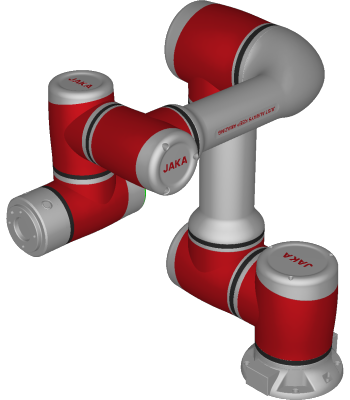 JAKA Zu 7 Collaborative Robot
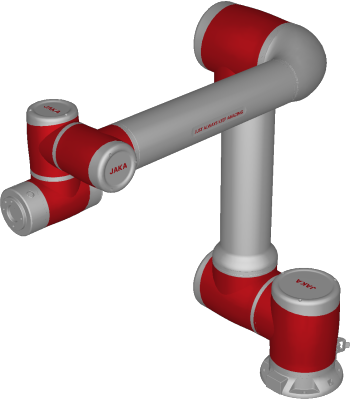 JAKA Zu 12 Collaborative Robot
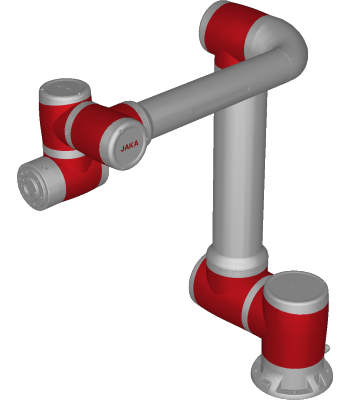 JAKA Pro 16 Collaborative Robot
 JAKA Zu 3 Collaborative Robot