Industrial Robot Training: What FANUC’s New Academy Means for Buyers
 airobot_admin
•
Workstation Hardware Research
•
Updated October 25, 2026
•
13 min read
Performance intelligence for workstation buyers.
Robotics education / October 2026 analysis Industrial robot training: buy the skills plan alongside the equipment Industrial robot training is part of making automation useful after installation. FANUC's new academy announcement brings attention to the people who operate, program, maintain and support robotic systems. This guide…
Robotics education / October 2026 analysis
Industrial robot training: buy the skills plan alongside the equipment
Industrial robot training is part of making automation useful after installation. FANUC’s new academy announcement brings attention to the people who operate, program, maintain and support robotic systems.
This guide explains the news, separates different learning needs and outlines eight checks for selecting equipment and training that match the work your team must perform.
Read the news analysis Discuss training-equipment requirementsFANUC Academy: what the October announcement says
FANUC America’s company-issued release dated 19 October 2026 announced its new training academy in Auburn Hills, Michigan. The company described an investment exceeding $18 million in a 132,000-square-foot facility, including 56,300 square feet of training space.
The release also described expanded classrooms and training-network capacity. These are company-reported facility and capacity figures, rather than a measure of learning outcomes for an individual employer.
Read FANUC America’s original announcement on PR Newswire.
The industrial robot training lesson for buyers is practical: equipment procurement should include a plan for the people who will use and support the system. A successful commissioning demonstration does not establish that every shift can operate the application independently.
For a school, college or factory, the first question is which capabilities the investment must develop. The answer should shape the robot, controller, software, instructor support and practical exercises being purchased.
Start with the skills your team needs
Send the intended learners, current equipment and required practical outcomes. Ask for an equipment scope that supports the selected curriculum and operating environment.
Request robotics equipment guidanceIndustrial robot training begins with the learner’s role
Industrial robot training in this article means developing the skills of operators, programmers, technicians and educators. Each group needs a clear scope and an appropriate assessment.
An operator may need to identify the current machine state, follow the approved production procedure and recognise when to request assistance. A programmer needs a different understanding of task structure, coordinate systems and application validation.
A maintenance technician may need manufacturer-specific diagnostic and service knowledge. An educator also needs repeatable exercises, lesson preparation and the ability to identify why a learner’s result differs from the expected outcome.
Write these requirements before selecting a course or robot. A broad introductory programme can provide context, while a specific workplace responsibility may require additional instruction on the exact installed system.
Keep the learning plan aligned with the final application. Skills developed on a stand-alone arm may need further training before they transfer to a complete machine-tending, palletizing or inspection cell.
Robot programming training: define what learners must demonstrate
Robot programming training should connect concepts to observable tasks. Define the application the learner must understand, the information available and the evidence that shows the task has been completed correctly.
For industrial robot training, suitable learning objectives can include explaining a program’s structure, identifying the correct reference frames and documenting a controlled change. Practical activities should follow the equipment manufacturer’s procedures and the instructor’s approved training plan.
Include diagnosis as well as task creation. Learners should be able to describe a problem clearly, distinguish relevant information from assumptions and identify when a change requires further review.
Ask whether the course uses the controller and software generation your team will encounter. Similar brand names do not establish identical interfaces, options or application behaviour.
Retain the learner’s project files and assessment criteria where the training programme permits. A reproducible exercise can help an employer or educator identify the next learning need after the course ends.
Robotics training equipment: specify the complete learning station
Robotics training equipment can include the arm, controller, pendant, mounting, tooling, software and instructor resources. The complete station should support the intended exercises and the way learners access it.
An industrial robot training purchase should identify what arrives ready for use and what still needs integration. A robot listing does not automatically include an instructional cell, curriculum or instructor training.
| Equipment area | Specify | Confirm before purchase |
|---|---|---|
| Robot and controller | Exact model, generation and software. | Correspondence with the intended course and exercises. |
| Physical station | Mounting, work area and application-specific protective measures. | Installation requirements and instructor access. |
| Tools and workpieces | The equipment required for the selected learning tasks. | Supplied quantity, replacement route and exercise suitability. |
| Software | Simulation, programming and application options. | Licensing, supported computers and access conditions. |
| Teaching resources | Lesson plans, exercises and assessment material. | Usage rights, instructor preparation and update support. |
Choose equipment because it supports a learning outcome. A larger arm or a higher payload does not automatically make a better introductory station.
For industrial robot training laboratories, include the time required to restore the station between groups. Reset procedures, spare exercise parts and clear reference configurations can affect the number of useful practical sessions.
Cobot training: match the exact controller and application
Cobot training should cover the installed equipment and the process in which it is used. A collaborative arm still forms part of an application containing tooling, workpieces and surrounding machinery.
Universal Robots Academy describes several learning formats, including e-learning, instructor-led courses, simulator-based training and virtual courses requiring access to a physical robot. Check the requirements of the selected course before purchasing equipment or reserving training time.
For industrial robot training on Universal Robots, confirm the controller and PolyScope generation. A course using one interface may not address all the features or procedures of another configuration.
Universal Robots also lists a training webinar for 29 October 2026 covering UR and MiR Academy learning paths and team development. At this article’s research date, that event was still upcoming.
See the official training webinar information.
Use manufacturer learning resources to help define the course route. Confirm enrolment, language, location and prerequisites directly with the training provider.
FANUC Academy courses and equipment need an exact match
The official FANUC training page distinguishes robotics courses from CNC and ROBODRILL learning and identifies programming, maintenance and application subjects.
An industrial robot training programme should therefore specify which product and controller it covers. A general robotics introduction and a model-specific maintenance course provide different learning outcomes.
The FANUC CRX-30iA collaborative robot is a product reference for a configuration-specific equipment discussion. It is not presented as a complete training package or a recommendation that every beginner needs that model.
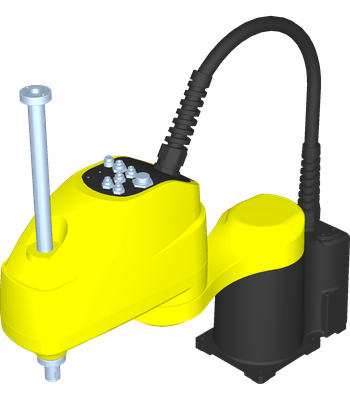
The FANUC SR-3iA industrial robot is another equipment reference to assess against the intended curriculum. Confirm the supplied controller, software and station requirements before treating it as suitable classroom equipment.
Purchasing a robot from a supplier does not itself enrol learners in FANUC Academy or establish an authorised training relationship. Course availability and recognised qualifications should be confirmed with the responsible provider.
Use simulation as part of industrial robot training
Simulation can give learners another way to inspect programs and practise defined exercises. Its value depends on the learning objective, the supported software and the correspondence with the physical equipment.
For industrial robot training, identify which activities can be completed in simulation and which require supervised work on the real station. The course should make that boundary clear.
Confirm computer requirements and licensing before ordering a workstation. A simulator available for one platform or software generation should not be assumed to run on every development computer.
Keep simulated exercises reproducible. Retain the software version, robot model, scene and expected result so that instructors can identify whether a problem comes from the exercise, environment or learner’s work.
Plan the transition to physical equipment. Learners need to understand that an application model does not include every feature of the installed cell unless those features have been represented and validated.
Train operators for the complete production application
Operators need a practical understanding of the process they run. Include the normal task sequence, the meaning of system states and the approved route for responding to uncertainty.
Industrial robot training for production should use the final application documentation. A robot-arm course alone may not cover the conveyor, fixture, camera, machine interface or warehouse software connected to the cell.
Identify which activities operators may perform and which require a technician, programmer or integrator. Keep that division consistent across lessons, operating documents and support arrangements.
Include representative interruptions in the learning plan, using the manufacturer’s procedures and the site’s approved training arrangements. The purpose is to develop correct recognition and escalation rather than improvised recovery.
Check understanding across the people and shifts expected to use the equipment. A demonstration observed by one specialist does not establish that the wider team can run the process independently.
8 smart industrial robot training checks for success
- Define the learner roles. Separate operator, programmer, technician and educator requirements.
- Write measurable outcomes. State what each learner must explain or demonstrate after training.
- Match the exact equipment. Confirm the robot, controller, software and application configuration.
- Specify the complete station. Include mounting, tooling, workpieces, software and learning resources.
- Confirm the delivery format. Check instructor-led, virtual, simulator-based and on-site requirements.
- Plan practical assessment. Agree the exercise, evidence and criteria used to check learning.
- Include workplace transfer. Identify application-specific instruction and support after the course.
- Price continuing support. Include instructor preparation, software updates, spares and refresher learning.
Use these checks when comparing industrial robot training proposals. A course price, an arm price and a complete teaching station describe different purchases.
Request an equipment scope matched to your curriculum
Provide the intended learners, practical exercises, available space and existing equipment. Ask which hardware and software components are included and which require a separate provider.
Discuss robotics training equipmentAssess industrial robot training through practical evidence
Training attendance and demonstrated capability answer different questions. Agree how the selected programme evaluates understanding and practical performance.
An industrial robot training assessment can include an explanation of the task, a supervised exercise and a record of how the learner responds to an agreed problem. The instructor should define the appropriate conditions and assessment scope.
| Learning area | Evidence to consider | Follow-up question |
|---|---|---|
| System understanding | An accurate explanation of equipment roles and task boundaries. | Can the learner identify when specialist assistance is required? |
| Programming concepts | A defined exercise and documented result. | Can the learner explain the changes made? |
| Operation | Use of the approved application procedure under assessment. | Does the exercise reflect the installed process? |
| Diagnosis | A clear description of an agreed fault scenario. | Can the learner distinguish evidence from assumptions? |
| Documentation | Correct use of the applicable instructions and records. | Can another team member understand the outcome? |
For formal credentials, confirm the awarding body, assessment method and recognition directly with the provider. Do not assume that every course certificate represents the same qualification or workplace authorisation.
Keep the learning environment maintainable
A teaching station needs ongoing attention to exercise materials, software and documentation. Allocate responsibility for keeping the reference setup usable between classes or training groups.
For industrial robot training, record the approved robot configuration, software options and exercise files. Changes should be reflected in the teaching material so learners are not following instructions for another version.
Include a practical route for replacing tools and workpieces. Missing exercise components can reduce useful access even when the robot itself is available.
Plan instructor development as well as learner enrolment. A programme becomes easier to sustain when the people delivering it can prepare the station, explain the exercises and identify when external support is needed.
Budget for industrial robot training beyond the course fee
The full cost may include equipment, installation, software, instructor time, travel, practical access and time away from production. Different delivery formats distribute those costs differently.
An industrial robot training purchase should identify whether the customer is buying a course place, a complete station, teaching resources or a combination. Compare equivalent scopes before selecting from headline prices.
For employers, define what should improve after training. Useful measures can include independently completed tasks, clearer fault reporting and the ability to maintain the approved application documentation. Measure the chosen outcome instead of assuming a universal productivity gain.
For education providers, consider how many learners can obtain meaningful practical access. A nominal class capacity does not establish the time each learner spends using the equipment.
Where requirements are still developing, begin with a bounded curriculum and an appropriate station. Expand after the teaching team has evidence of what learners need next.
Internal product links for robotics training equipment enquiries
These AI Robot Supplier pages support separate equipment discussions. Course enrolment, instructor services, curriculum and formal certification must be confirmed with the relevant provider.
- FANUC CRX-30iA collaborative robot for a configuration-specific hardware assessment.
- FANUC SR-3iA industrial robot for an independently specified learning station or application.
- Universal Robots UR20 collaborative robot with controller and course correspondence checked.
- ABB GoFa CRB 15000 collaborative robot with the exact variant, software and teaching scope confirmed.
- Robot accessories for tooling, mounting and exercise-equipment enquiries.
- Request a robotics training equipment quotation matched to the intended learners and curriculum.
For industrial robot training equipment enquiries, provide the destination, quantity, available space, existing systems and required outcomes. Request written confirmation of supplied components and support responsibilities.
Industrial robot training frequently asked questions
What does industrial robot training cover?
The scope depends on the programme and learner role. It can include operation, programming, maintenance, application knowledge and diagnosis. Confirm the exact equipment, practical activities and assessment before booking a course or purchasing a station.
What did FANUC announce about its new academy?
FANUC America’s October announcement described a new training academy in Auburn Hills and expanded facilities and training capacity. Review the company-issued release and official course information for the current programme scope.
Is robot programming training enough for a production operator?
The required learning depends on the job. Operators need instruction on the approved application and their assigned responsibilities. A programming course may cover different skills and may need application-specific follow-up.
What should robotics training equipment include?
Specify the robot, controller, software, mounting, tooling, workpieces and learning resources required by the curriculum. Confirm installation, instructor preparation and practical-access requirements separately.
Does buying a FANUC robot include FANUC Academy training?
Only training explicitly included in the written offer should be assumed. Confirm course enrolment, provider, location, prerequisites and any associated qualification directly with the responsible organisation.
Can cobot training be completed virtually?
Providers offer different formats. Universal Robots Academy describes simulator-based and virtual options with different equipment requirements. Check the selected course rather than assuming all remote learning uses the same setup.
Does a training certificate prove readiness for every robot task?
Confirm what the certificate and assessment cover. A course outcome should be matched to the exact equipment, role and application. Further instruction and workplace authorisation may be required for the assigned responsibilities.
Should a school purchase the highest-payload robot available?
Select equipment against the learning objectives, available space and complete station requirements. Higher payload alone does not establish better educational value or suitability for an introductory programme.
How much does industrial robot training cost?
Request a scope-specific quotation from the training provider and separate equipment suppliers where applicable. Include practical access, software, instructor time, travel and any continuing support. This article supplies no unverified course price.
What should I send with a training-equipment enquiry?
Provide the intended learner roles, practical outcomes, class or team size, existing equipment, available space and destination. Include the preferred manufacturer and any course or qualification requirements already selected.
Official industrial robot training sources
- FANUC America’s original academy announcement .
- FANUC’s official training information and learning paths .
- Universal Robots Academy .
- Universal Robots’ 29 October 2026 training webinar information .
Research checked on 25 October 2026. Facility announcements and course formats are attributed to the relevant providers. Equipment links do not imply course enrolment, authorised training-provider status or a guaranteed qualification.
Connect the curriculum to the equipment
Plan your industrial robot training equipment scope
Send the intended learners, practical tasks and existing setup. Ask AI Robot Supplier to discuss robot, tooling and equipment options with a clear supplied scope.
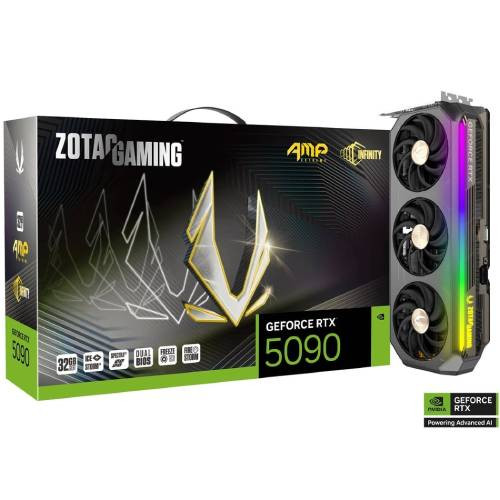 ZOTAC GAMING GeForce RTX 5090 AMP Extreme INFINITY
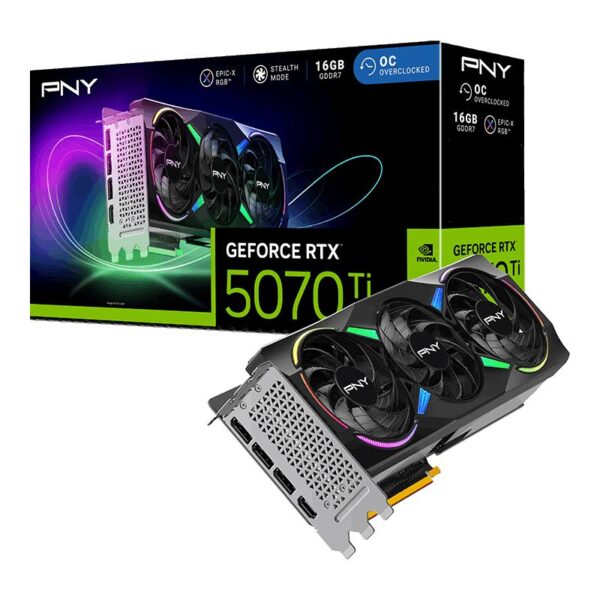 PNY GeForce RTX 5070 Ti 16GB ARGB EPIC-X RGB Overclocked Triple Fan
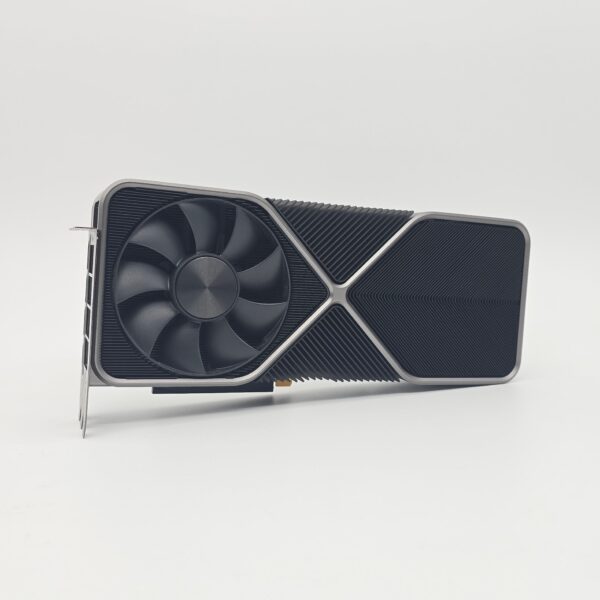 NVIDIA GeForce RTX 3090 Founders Edition 24GB
 Sapphire NITRO+ Radeon RX 7800 XT 16GB