Robot Inspection: What Spot 5.2 Means for Factory Maintenance
 airobot_admin
•
Robotics Research
•
Updated October 25, 2026
•
11 min read
Automation intelligence for serious technology buyers.
Industrial automation / inspection technology Robot inspection: turn repeatable observations into better maintenance decisions Robot inspection is becoming a more connected part of factory maintenance. A mobile robot can collect observations around a facility, but the useful result is what happens after those observations reach the…
Robot inspection: turn repeatable observations into better maintenance decisions
Robot inspection is becoming a more connected part of factory maintenance. A mobile robot can collect observations around a facility, but the useful result is what happens after those observations reach the maintenance team.
Boston Dynamics’ Spot 5.2 announcement brings that question into focus. For buyers, the decision now involves the robot, inspection payloads, software, asset records and the process for acting on an alert.
This guide explains the announcement and sets out eight practical checks for evaluating an inspection project before choosing a configuration.
What the Spot 5.2 announcement changes for robot inspection
In its official Spot 5.2 announcement , Boston Dynamics describes asset-centred Orbit dashboards, connections to external data sources and workflows that can dispatch Spot to collect additional information.
The announcement also describes video inspections through AIVI-Learning and additional sensing options. Some capabilities depend on specific payloads, integrations or software entitlements. They should be confirmed against the exact configuration being quoted.
For robot inspection buyers, the practical implication is to evaluate the whole information chain: an equipment condition triggers an observation, the result is attached to the correct asset, and a responsible person decides the next step.
Keep the purchase scope clear: a robot product listing does not establish that every sensor, software licence, integration or commissioning service is included.
Robot inspection starts with an answerable question
A useful project brief describes an observation in terms that a maintenance engineer can verify. “Inspect the pump room” leaves too much open. “Capture a readable view of these gauges and record the operating state of each pump” gives the team a defined task to test.
For every proposed observation, record the asset identifier, expected view, inspection frequency and conditions that make the reading meaningful. A machine may look different when starting, running, cleaning or standing idle.
Robot inspection also needs an exception category. A blocked camera view, unreadable instrument or unavailable machine should produce a clear result that someone can review. It should not quietly become a normal reading.
Begin with a small group of valuable observations. A narrow pilot makes it easier to discover whether the camera position, route and reporting process produce useful information.
Boston Dynamics Spot: evaluate the complete configuration
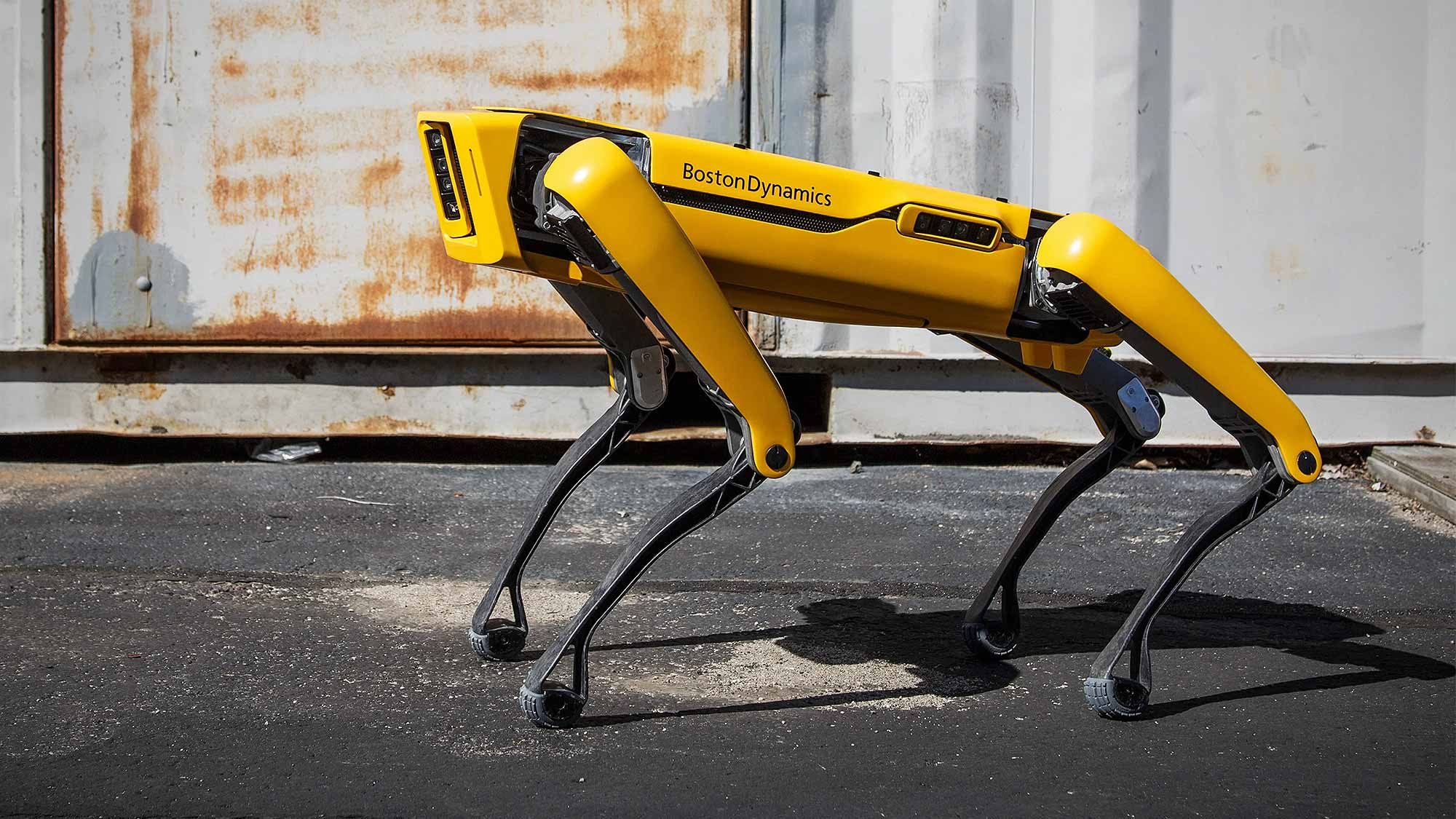
The Boston Dynamics Spot product listing provides a starting point for a platform enquiry. Prepare an asset list and representative route information before requesting a project-specific configuration.
Separate mobility requirements from sensing requirements. The robot must reach an inspection position, while the payload must capture information of sufficient quality. Either part can limit the result.
Review the official Boston Dynamics Spot specifications alongside the proposed payload and operating conditions. Manufacturer runtime figures require attention to their stated conditions; the relevant project measure is endurance on the planned route with the actual equipment fitted.
A robot inspection quotation should identify the hardware, battery and charging arrangement, payload mounting, communications, software access, training and support scope. Request a written list of exclusions as well.
Quadruped robots: compare mobility and inspection readiness
Quadruped robots can be considered where the route makes walking or wheeled-legged movement relevant. Choose the mobility architecture after assessing the facility: floor conditions, changes in level, passages, turning space and permitted operating areas all influence suitability.
Do not assume that two mobile platforms offer the same inspection workflow. Sensor support, navigation software, asset management, reporting and maintenance-system integration need their own assessment.
| Option | Why evaluate it? | What needs confirmation? |
|---|---|---|
| Boston Dynamics Spot | A platform to evaluate for a Spot-based industrial inspection project. | Exact payloads, Orbit access, feature entitlements, commissioning and support. |
| DEEP Robotics LYNX M20 Pro | A wheeled-legged platform to assess against route and integration requirements. | Model configuration, sensor integration, autonomy, reporting software and loaded mission performance. |
| Fixed monitoring equipment | An option for assets that need frequent observations from a permanent position. | Coverage, installation, measurement requirements and integration with the maintenance workflow. |
This is a procurement comparison, not a claim of equivalent features. Spot-specific software capabilities should not be assumed to work on another manufacturer’s platform.
LYNX M20 Pro: a separate platform evaluation
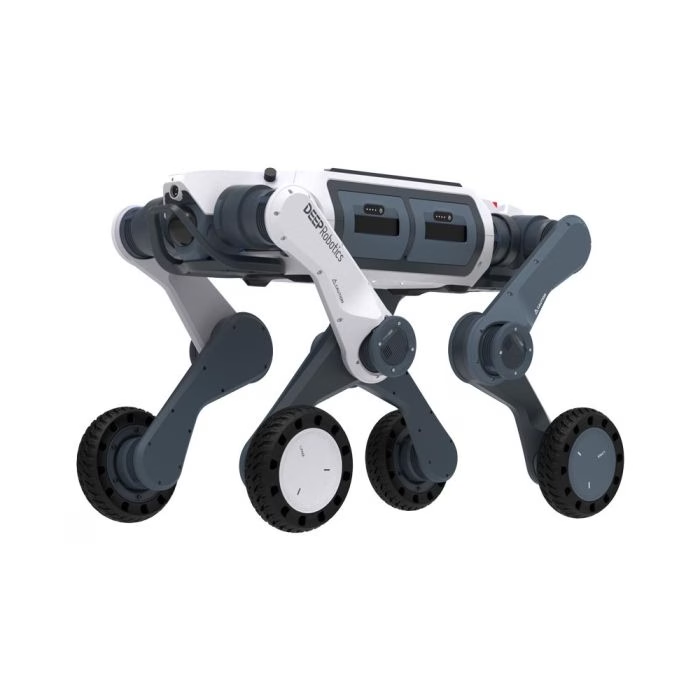
If your shortlist includes the LYNX M20 Pro , request an application proposal that explains how observations will be captured, associated with assets and delivered to maintenance staff.
The manufacturer’s LYNX model information is a reference for distinguishing configurations. Ensure the quotation refers to the exact model and equipment being evaluated rather than combining specifications from different variants.
Robot inspection readiness depends on more than movement. Ask who supplies the sensing package, who maintains the integration and how the complete system will be demonstrated before acceptance.
AI visual inspection: define what a reliable result looks like
AI visual inspection needs a clear definition of an acceptable image and an acceptable answer. A readable gauge, a visible indicator and an unobstructed component each present different evaluation tasks.
Build a representative test set from the actual facility. Include normal operating variations, reflections, changing light, partial obstructions and examples that require human review. Have the maintenance team establish the reference answers.
Record whether the system returns a correct result, an incorrect result or an appropriate “unable to determine” response. A robot inspection workflow benefits from making uncertainty visible.
Repeat the evaluation after meaningful changes to camera position, inspection instructions, lighting or software. Keep the test conditions documented so that results remain comparable.
Choose the right evidence format: use still images when they answer the question. Consider video when the observation depends on movement or a changing state, then validate that it improves the decision.
Predictive maintenance needs a history of useful observations
Predictive maintenance is a larger objective than collecting pictures or generating alerts. The project needs a credible connection between measured changes, equipment condition and maintenance decisions.
Robot inspection can contribute repeatable observations to that process. Those observations become more useful when teams can compare the same asset under similar operating conditions and connect findings to confirmed maintenance work.
Start by establishing a baseline. Record the asset’s operating state, the observation method and the conditions under which the result was captured. A change in equipment load should not automatically be interpreted as equipment deterioration.
Ask how the proposed analysis was validated, which failure modes it addresses and how uncertain findings are handled. Treat predictions as claims that require evidence from the relevant application.
For an early project, improving condition-monitoring coverage and evidence quality can be a useful objective in its own right. Measure that improvement before making broader predictive maintenance claims.
Robot inspection: 8 smart checks before buying
1. Define the asset and observation list
List each asset, the question to answer, the required evidence and the person who uses the result. Prioritise observations with a clear maintenance purpose.
This gives the robot inspection pilot a measurable scope. It also prevents a demonstration from expanding into an undefined promise to monitor the entire facility.
2. Survey the real operating route
Assess access, surfaces, visibility, passage width, traffic, connectivity and charging location. Include the conditions that occur during normal production.
Have the plant team approve the proposed route and operating arrangements. Record where assistance is required and how the robot reports an incomplete mission.
3. Match each observation to its sensor
Specify whether the task requires visual, thermal, acoustic or another form of evidence. Confirm the exact payload, mounting, measurement capability and calibration needs.
Do not treat the mobility platform as proof that a measurement is supported. Ask for a demonstration of the complete robot inspection configuration on representative equipment.
4. Confirm software and feature entitlements
Obtain an itemised software scope. Identify subscriptions, user access, supported features, update arrangements and any separate integration work.
Ask which capabilities are available in the quoted version and configuration. Clarify what happens to stored information and operational access if a subscription changes.
5. Test asset identity and data quality
Confirm that each observation is attached to the correct asset with a timestamp, inspection type and operating context. Test exports using realistic sample records.
Robot inspection data should be understandable outside the demonstration dashboard. A maintenance engineer needs enough context to judge whether an apparent change deserves action.
6. Assign ownership for alerts
Define who receives each finding, how quickly it is reviewed and how the decision is recorded. Include a process for duplicate alerts and unresolved observations.
If a maintenance-system connection is proposed, demonstrate the exact workflow. Establish whether a finding creates a notification, a draft request or an approved work order.
7. Measure complete missions
Test endurance with the selected payload, route, inspection stops and communications arrangement. Measure repeatability across several missions.
Record charging time, operator interventions, incomplete observations and recovery effort. These measurements provide a more practical basis for planning than a single successful demonstration.
8. Set acceptance and support requirements
Agree the acceptance evidence before ordering. Include route completion, observation quality, reporting, training and support responsibilities.
Request the total project cost, including integration, licences, accessories, commissioning and ongoing service. Compare proposals against the same robot inspection scope.
A practical robot inspection pilot scorecard
Agree a scorecard with maintenance, operations and the implementation team. Choose thresholds from the facility’s requirements rather than adopting an arbitrary success percentage.
| Measure | What to record | Why it matters |
|---|---|---|
| Observation coverage | Scheduled, completed and missed observations, with reasons for exceptions. | Shows whether the project delivers its planned equipment coverage. |
| Evidence quality | Readability, viewpoint consistency and correct asset association. | Determines whether engineers can use the result. |
| Finding quality | Confirmed findings, incorrect alerts and issues identified during independent review. | Helps assess the strengths and limits of the inspection method. |
| Operator effort | Setup, intervention, recovery and review time. | Reveals the staffing required to sustain operation. |
| Workflow completion | Time from observation to review, decision and recorded outcome. | Connects robot inspection to maintenance activity. |
| Ongoing cost | Software, service, replacement items and integration maintenance. | Supports a realistic ownership comparison. |
Keep a log of changes during the pilot. If the team moves an inspection point or changes an analysis instruction, record when and why. That makes improvements easier to assess and repeat.
Robot inspection integration: request a sample record
Before accepting a broad integration claim, ask to see the record that maintenance staff will receive. It should identify the asset, observation time, evidence, result and review status.
Test practical exceptions: an asset missing from the system, an unavailable network connection, a repeated finding and a result that cannot be interpreted. Agree how records are retried and how duplicates are handled.
Document where information is processed and stored, who can access it and how it can be exported. These details help the plant’s IT team assess the proposed deployment and support arrangement.
A successful robot inspection integration gives the next person enough context to make a decision without reconstructing the mission from separate screenshots and messages.
Robot inspection FAQs
What is robot inspection?
Robot inspection uses a robotic platform and suitable sensors to gather observations about equipment or a facility. The complete process includes capture, analysis, reporting and human review where required.
What should buyers take from Spot 5.2?
Evaluate how the proposed configuration connects observations to assets and maintenance workflows. Confirm the software version, feature entitlements and payloads included in the quotation.
Does a Boston Dynamics Spot purchase include every inspection feature?
Do not assume that it does. Obtain an itemised configuration covering hardware, sensing equipment, software, integration, commissioning and support.
Are quadruped robots suitable for every factory?
Suitability depends on the route, operating conditions, required observations and implementation arrangements. Compare the proposed platform with other ways to collect the same information.
How should AI visual inspection be tested?
Use representative site examples with answers established by the maintenance team. Include difficult views and uncertain cases, then measure correct results, errors and appropriate requests for review.
Does robot inspection automatically deliver predictive maintenance?
No. Predictive maintenance requires evidence linking observations to equipment condition and future maintenance needs. An initial project may focus on reliable condition monitoring and better observation coverage.
Can LYNX M20 Pro use Spot-specific software?
Do not assume compatibility. Evaluate LYNX M20 Pro as a separate platform and confirm its proposed software, payloads and integrations with the responsible supplier.
How long should a robot inspection pilot run?
Run it long enough to cover representative operating conditions and repeated missions. Set the duration around the evidence needed for acceptance rather than a fixed calendar period alone.
What should be included in an inspection robot quotation?
Request the robot configuration, sensors, charging equipment, software, integration, commissioning, training, support and recurring costs. Include acceptance criteria and responsibility for each deliverable.
What information should I prepare before making an enquiry?
Prepare an asset list, representative photographs, route details, inspection frequency, operating conditions and reporting requirements. This gives suppliers a concrete basis for proposing a configuration.
Choose robot inspection equipment around the maintenance task
Begin with the observations your team needs, then evaluate the mobility, sensing and software required to collect them. Request evidence from a representative pilot before committing to a wider deployment.
Explore the published platform listings below and prepare an application brief for a configuration-specific enquiry.
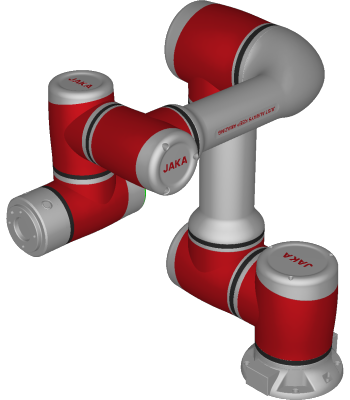 JAKA Zu 7 Collaborative Robot
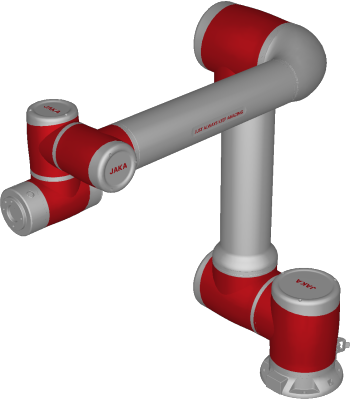 JAKA Zu 12 Collaborative Robot
 JAKA Pro 16 Collaborative Robot
 JAKA Zu 3 Collaborative Robot