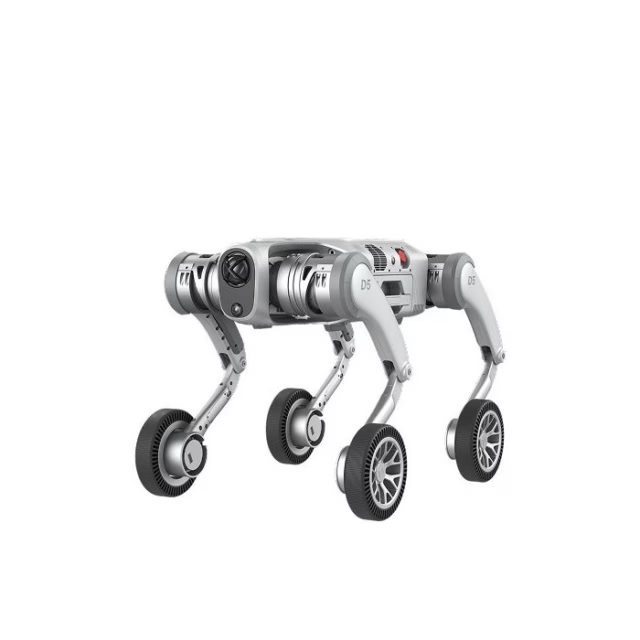
Compact quadruped platform
The published Venture standing dimensions are 610 × 370 × 445 mm. Use these measurements when planning bench space, transport and a controlled test area. Allow additional clearance for leg motion and any mounted equipment.
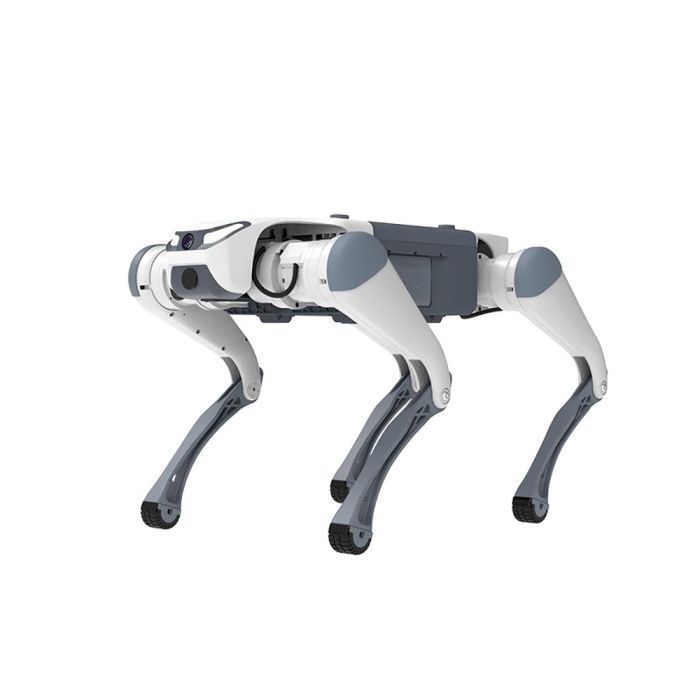
$3,597.00
Deep Robotics Lite3 Venture is a compact quadruped platform for supervised robotics education and development. Manufacturer Venture references include 12.2 kg weight with battery, 4.5 kg walking load and two Ethernet interfaces. Review the exact supplied revision, accessories, software access and destination-specific quotation before ordering.
Related products, categories and research.
Buy Deep Robotics Lite3 Venture for a quadruped development project that needs a compact robot dog, published payload limits and accessible hardware interfaces. The Venture configuration sits within the Lite3 family alongside Basic, Pro and LIDAR versions. Comparing the exact edition is essential: similar-looking robots can have different interface panels, sensor packages, weights and walking loads.
This Deep Robotics Lite3 Venture listing is for buyers evaluating legged robotics, education and controlled development work. Review the current listed price, then request a quotation covering the supplied revision, condition, accessories and delivery destination. A product name alone does not establish the contents of a development kit, software entitlement or a particular sensor package.
The manufacturer publishes Venture laboratory reference figures of 1.5–2 hours of endurance and 4 km of mileage. These figures are not guaranteed together for every route. Speed, gait, surface, battery condition, payload and attached electronics influence practical results. Plan the trial around your own duty cycle rather than treating a laboratory maximum as a site acceptance promise.
The published Venture standing dimensions are 610 × 370 × 445 mm. Use these measurements when planning bench space, transport and a controlled test area. Allow additional clearance for leg motion and any mounted equipment.
The Venture specification lists two Ethernet interfaces and external power input options of 24 V, 12 V and 5 V. Confirm connector pinouts, electrical limits and the exact delivered interface panel before connecting equipment. These input references do not establish a usable auxiliary power output.
DEEP Robotics describes models, motion-control SDKs and APIs, perception-development interfaces and example code for Lite3 secondary development. Confirm the software release, documentation access and supported development workflow for the offered Venture revision.
For Deep Robotics Lite3 Venture integration, the published 4.5 kg walking load is only the starting point. A tall or poorly balanced payload can change stability even below that mass. Include brackets, cables, protective housings and sensors in the payload calculation. Check the permitted mounting points and distribution before designing a sensor assembly.
The Venture reference lists front and rear obstacle stop and visual following. Do not interpret those functions as unrestricted autonomous navigation or as a substitute for a supervised test plan. The manufacturer’s comparison gives Pro and LIDAR their own sensing and navigation distinctions. Ask which functions are delivered, licensed and supported on the exact unit.
Use a supervised quadruped platform to explore locomotion, sensing and practical integration. Define student access, instructor control and a clear operating area before introducing moving hardware into a classroom.
Evaluate repeatable walking tasks, payload effects and controlled terrain trials within the manufacturer’s operating instructions. Record the battery state, gait and surface so that performance comparisons remain meaningful.
Investigate supported perception interfaces and sample code. Establish camera, computing and software requirements before ordering; a reference to development support does not imply every sensor or computer is included.
Assess whether a lightweight sensor concept fits the walking-load budget and mechanical envelope. Confirm mounting, cable routing, networking and power arrangements before committing to a complete mission payload.
If the project requires industrial inspection, weather exposure or autonomous site routes, compare the requirements against a purpose-selected platform rather than assuming Deep Robotics Lite3 Venture has those capabilities. Our Deep Robotics X30 Pro listing provides an industrial-model comparison, while the LYNX M20 Pro listing offers another platform to evaluate. Their specifications and supplied options must be assessed separately.
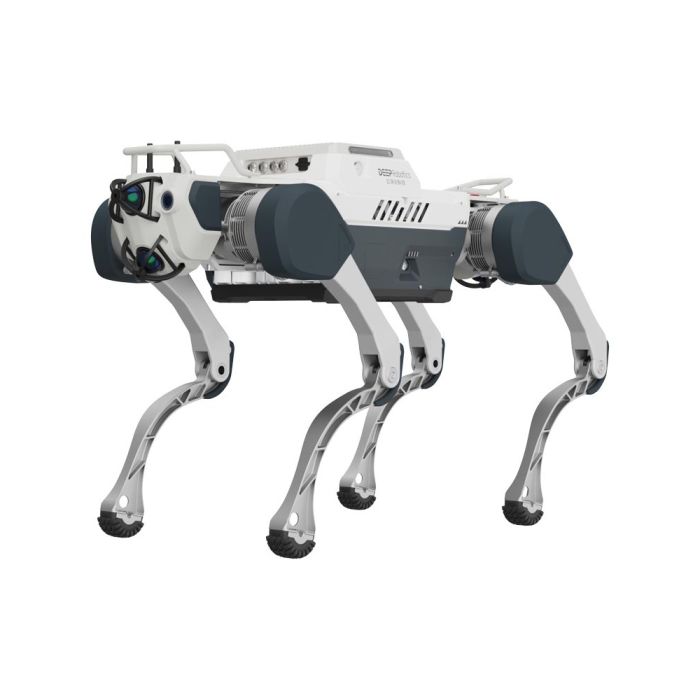
Deep Robotics Lite3 Venture should be selected for the interfaces and functions your project actually requires. The manufacturer’s comparison shows why the family names are not interchangeable. Extra sensing hardware can change the standing height, weight, walking load and published mileage. An upgrade therefore needs a complete integration review, not simply a higher budget.
The Venture reference combines two Ethernet connections with a 4.5 kg walking load. If those interfaces suit the project and the team intends to develop a controlled research workflow, start by documenting the required data connections and software access. Confirm the delivered revision before designing the payload. Do not assume that an interface described for Pro is also available on Venture.
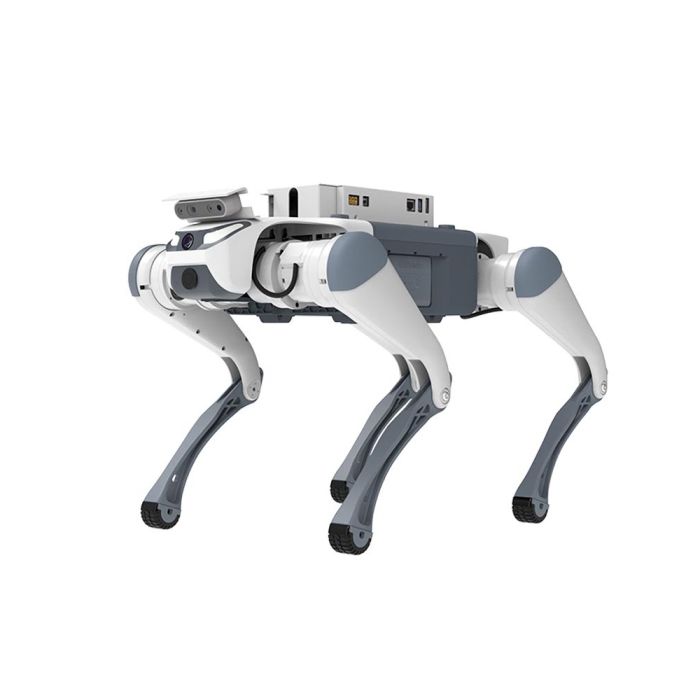
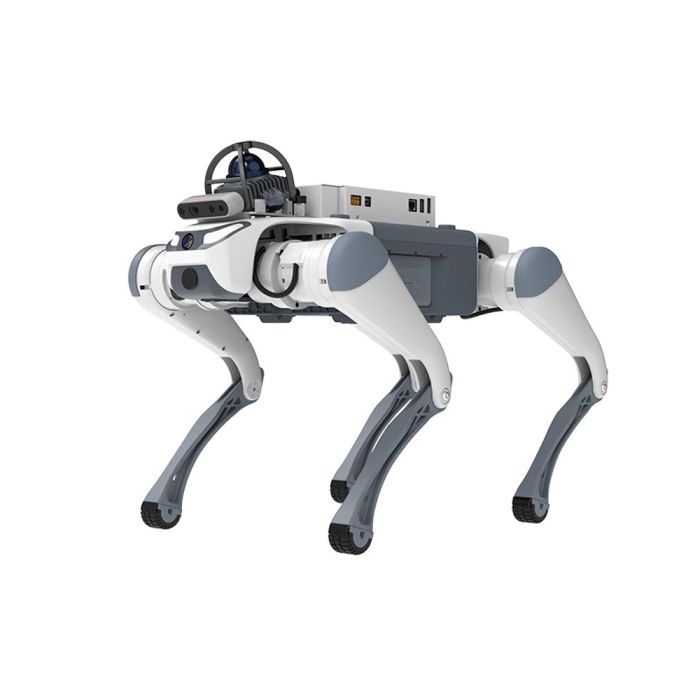
The Lite3 Pro configuration is worth comparing when the project needs the interface set or sensing functions listed for that edition. The manufacturer gives Pro a lower walking-load reference than Venture and a different hardware arrangement. Check the complete specification and package rather than assuming every additional component increases the useful payload budget.
The Lite3 LIDAR configuration is a separate option for buyers evaluating the manufacturer’s navigation-oriented variant. Its added equipment changes the physical and payload references. Decide whether a supplied navigation configuration is required or whether your team intends to build and validate a development stack. The two approaches can have different equipment, software and support requirements.
For any edition, compare the total supported workflow. Ask which documentation, interface examples and software versions are accessible, whether the supplied sensors match the project and what training or integration work remains. A robot with more visible hardware is not automatically a better teaching platform, while a compact configuration may still need substantial development effort for an advanced research task.
Keep the final comparison focused on the application. A course that teaches basic control may prioritize repeatable setup and appropriate supervision. A perception experiment may prioritize interfaces and sensor positioning. A navigation project may need a particular computing and sensing configuration. Record those requirements first, then choose the edition that meets them without treating optional accessories or future development as delivered capability.
If you decide to order Deep Robotics Lite3 Venture after this comparison, make sure the purchase order still names Venture. List approved accessories separately and ask for any proposed substitution to be explained before dispatch. This prevents a family-level description or a reference photograph from replacing the agreed model in the commercial paperwork.
The following figures identify the Venture column of DEEP Robotics’ Lite3 comparison. They are manufacturer laboratory reference values, not simultaneous performance guarantees. Confirm the current hardware revision and technical documentation for the supplied robot.
| Model | Deep Robotics Lite3 Venture |
|---|---|
| Platform | Lite3 quadruped robot |
| Standing dimensions | 610 × 370 × 445 mm |
| Weight including battery | 12.2 kg |
| Walking load | 4.5 kg |
| Slope reference | 40° |
| Stair reference | 18 cm |
| Endurance reference | 1.5–2 hours |
| Mileage reference | 4 km |
| Perception functions | Front/rear obstacle stop; visual following |
| Hardware interfaces | Ethernet ×2; external power input options 24 V / 12 V / 5 V |
| Development resources | Models, motion-control SDK and APIs, perception-development interfaces and sample code |
The slope and stair figures do not define every safe operating condition. Surface friction, approach angle, obstacles, load placement and available stopping space affect suitability. Establish the operating limits with the applicable manufacturer instructions and your site assessment before attempting uneven terrain.
When comparing Deep Robotics Lite3 Venture price quotations, match the specification column before comparing costs. The Basic reference has different dimensions and load figures; Pro and LIDAR introduce further differences. Do not transfer another variant’s mileage, interfaces or navigation functions into the Venture acceptance criteria.
Before you order Deep Robotics Lite3 Venture, write down a short trial that represents the intended work. Start with a clear route, the intended payload and the software actions the team needs to perform. Decide which observations would show that the platform fits the project. A general mobility demonstration is useful, but it does not replace testing the particular interfaces or workflow you intend to use.
First, document the hardware and delivered items. Photograph the model label, identify the batteries and charger, and compare the contents with the packing list. Keep the software release and document revisions with those records. This gives the team a reliable baseline when asking for support or repeating an experiment later.
Second, review the workspace before powering the robot. Provide separation from people who are not operating it, remove loose cables and identify an appropriate stopping procedure from the operator instructions. Start with simple supervised movement on a suitable surface. Increased slopes, stairs or payload complexity should follow a deliberate test plan rather than an assumption based on a promotional photograph.
Third, check the development workflow with a small task. Establish the supported network connection, confirm access to the agreed documentation, and run an appropriate manufacturer example before introducing custom software. Record the successful setup so that another team member can reproduce it. Keep the initial trial focused: changing the payload, software and terrain at the same time makes faults harder to isolate.
Finally, assess the practical operating cycle. Log the test duration, battery state, payload and route conditions. Include the time needed for charging, handling and preparing the next trial when estimating laboratory throughput. Deep Robotics Lite3 Venture endurance figures describe reference performance; project planning also needs the time between runs.
A Deep Robotics Lite3 Venture quotation is most useful when it separates the robot package from optional equipment and delivery costs. Ask whether additional sensors, computing hardware, spare batteries or training are required for your specific project. Distinguish a desired future capability from a feature already supplied and demonstrated. This makes it easier to compare offers and prevents an incomplete starter package from being mistaken for a finished application.
For education purchases, align the equipment scope with the course objectives and available supervision. For a research purchase, identify which interfaces and documentation are essential to the experiment. For an early commercial pilot, define the environment and acceptance criteria before selecting hardware. These buying checks help keep the decision tied to useful outcomes rather than a single headline specification.
Request a written Deep Robotics Lite3 Venture quotation with an itemized supplied scope. The package is defined by that offer; photographs and manufacturer family demonstrations do not establish included equipment. Ask for unit identification and condition details, then match those to the packing list before dispatch.
A successful purchase separates robot cost from the cost of making it useful for a particular task. Budget for any required workstation, additional sensors, mounting design, integration time and safe testing facilities. Confirm software prerequisites and access before committing to a teaching schedule or project deadline.
For a Deep Robotics Lite3 Venture for sale comparison, ask each offer to describe the same configuration and accessories. An apparently lower price can cover a different sensor arrangement, fewer batteries or a narrower software scope. Keep the product model and supplied items visible in the purchase order so that differences are resolved before payment.
For international shipping, provide the delivery country and postcode when requesting a quote. Battery transport, import requirements and carrier acceptance can affect the available route and documentation. Confirm the final shipping terms and timeline in writing; no destination-specific freight price or delivery date is implied by this page.
Compare the broader Lite3 academic and research listing if your team is still defining a development package. Browse our quadruped robot collection for alternatives, or our robot catalogue when the project may require a different robot type.
Read the official DEEP Robotics Lite3 specifications and variant comparison before finalizing a purchase. Select the Venture variant when comparing the published figures. This manufacturer page is a technical reference, not a statement of this seller’s package contents.
Ask which operator manual, SDK version, interface documentation and software examples apply to the supplied unit. Save the applicable revision with your project records. Check the installation prerequisites and supported development environment before connecting the robot to a research network.
A useful technical handover identifies the interface definitions, startup and shutdown sequence, charging instructions and fault-response process. If a required document or development entitlement is missing from the offer, resolve that point before approving the order. Do not assume compatibility with a particular ROS release or third-party autonomy stack without explicit evidence.
Name Deep Robotics Lite3 Venture explicitly, identify the required revision where known and list the agreed hardware and software scope. Include the battery and charger quantities, any controller or sensor options, documentation access and support terms. Ask for a packing list that uses the same item descriptions. If the supplier proposes a different revision or substitute accessory, compare the interfaces and development requirements before accepting it. This keeps the delivered system aligned with the laboratory’s intended experiments and teaching arrangements.
It is the Venture configuration of DEEP Robotics’ Lite3 quadruped family. Buyers can evaluate it for supervised robotics education, locomotion experiments and supported development projects. Its interfaces, dimensions and payload reference differ from other Lite3 variants.
The supplied revision, condition, batteries, controller, sensors, development access and freight scope affect the final quotation. Use the listed price as the current product reference and ask for a written offer covering the exact requested package and destination.
The manufacturer lists front/rear obstacle stop and visual following for Venture. Its comparison assigns additional functions to other variants. Do not assume a complete autonomous navigation package is included; confirm any required sensing, computing and software separately.
No. The manufacturer identifies these figures as laboratory data. Real endurance and distance depend on terrain, gait, speed, battery condition and the power demand and placement of added equipment. Validate the intended route under appropriate supervision.
Evaluate the complete sensor assembly against the 4.5 kg published walking load and the permitted mounting arrangement. Confirm networking, connector definitions and power requirements. The listed external power inputs should not be treated as auxiliary outputs.
Provide your quantity, delivery country, intended application and required accessories or development workflow. Ask for the unit condition, exact supplied items, documentation and written support terms so that the commercial offer can be checked against your project.
Send your application, quantity, required configuration and destination. Request an itemized offer before confirming the purchase.
Add AI Robot Supplier as a preferred source on Google.
Tell us what you need — we respond within one business day.