Mission-built aircraft
Professional unmanned aircraft architecture is selected for the endurance, access, payload and maneuverability requirements of professional missions.
$18,000.00
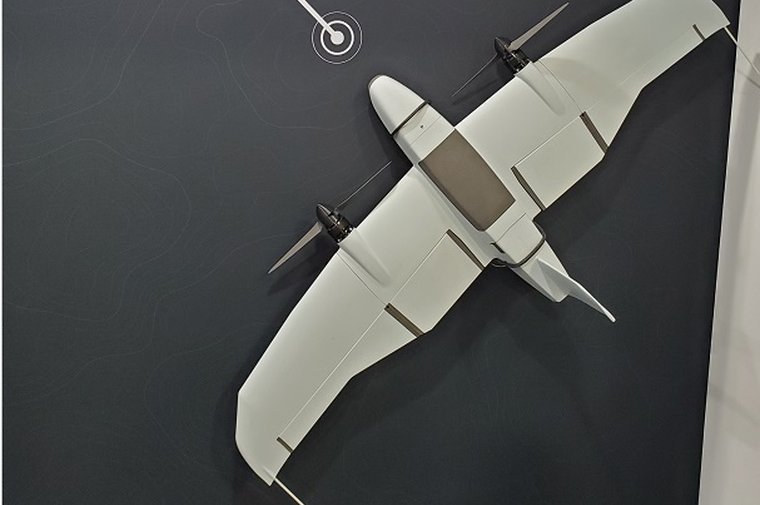
Quantum Systems Vector eVTOL UAS is a Quantum Systems professional unmanned aircraft built for long-endurance mapping, inspection and surveillance. Key capabilities include VTOL fixed-wing efficiency, mission-oriented payload integration. Professional operation should account for payload configuration, batteries, communications, weather, site risk and the aviation rules applicable to the mission location.
Related products, categories and research.
Quantum Systems Vector eVTOL UAS is a Quantum Systems professional unmanned aircraft built for long-endurance mapping, inspection and surveillance. Key capabilities include VTOL fixed-wing efficiency, mission-oriented payload integration. Professional operation should account for payload configuration, batteries, communications, weather, site risk and the aviation rules applicable to the mission location.
Enterprise UAS performance should be evaluated as a complete mission system: aircraft or payload, batteries, controller, communications, navigation, sensors, software, environmental limits, aviation permissions and data-processing workflow.
Quantum Systems Vector eVTOL UAS is a Quantum Systems professional unmanned aircraft built for long-endurance mapping, inspection and surveillance. Key capabilities include VTOL fixed-wing efficiency, mission-oriented payload integration. Professional operation should account for payload configuration, batteries, communications, weather, site risk and the aviation rules applicable to the mission location.
Core platform capabilities and practical deployment considerations for the named model.
Professional unmanned aircraft architecture is selected for the endurance, access, payload and maneuverability requirements of professional missions.
Assisted or autonomous flight functions support repeatable routes, inspection tasks and mission execution where supported.
Platform-specific cameras and sensors enable application-specific inspection, mapping or operational workflows.
Flight, imagery and sensor data can feed mapping, inspection, reporting or response workflows.
Batteries, spares, transport, charging, communications and environmental limits should be planned for the expected sortie tempo.
Mission planning should define airspace, obstacles, weather, fail-safe behavior, people exposure and emergency procedures.
Representative professional use cases. Final suitability depends on the exact configuration and application requirements.
Inspect utilities, buildings, industrial assets and hard-to-access structures.
Capture geospatial imagery and survey data using compatible sensors and positioning workflows.
Support situational awareness, search, response and incident documentation where authorized.
Collect repeatable visual or sensor data for maintenance and asset-management teams.
Survey terrain, agriculture or natural resources with suitable payloads.
Use model-specific cargo, thermal, LiDAR, indoor or long-endurance capabilities where available.
Use these model-level specifications for evaluation, then confirm the exact SKU, revision and ordered configuration before deployment.
The final quotation should make the exact configuration explicit so procurement, installation and acceptance teams are working from the same bill of materials.
Named aircraft or payload plus the model-specific standard components included in the quoted SKU.
Batteries, chargers, controller, payloads/mounts, cases, software licenses, spares and training are selected to support the expected field tempo.
Practical checks to complete before the final purchase order.
The package should be confirmed by SKU and mission: aircraft or payload, controller, batteries, charger, mounts, cases, software licenses, documentation and regional accessories can differ.
No. Endurance changes with payload, wind, temperature, altitude, battery condition, mission profile and the safety reserve required by the operator.
Commercial operation depends on the aviation rules, registration, pilot/operator requirements, airspace permissions and mission risk controls in the country where the system is used.
Only payloads supported by the aircraft’s mechanical, power, data, firmware and weight/center-of-gravity limits should be used. Confirm compatibility for the exact aircraft revision.
Plan batteries, charging, spares, communications, weather limits, checklists, firmware/software, data storage, maintenance and a documented mission-risk process.
Quantum Systems develops professional unmanned-aircraft technology for enterprise and specialist missions. The complete procurement package should include the correct aircraft, batteries, controller, payloads, software licenses, charging equipment and region-appropriate configuration.
Use the quotation stage to lock the exact model, configuration, compatibility requirements and delivery package before shipment.
Confirm the named SKU/revision and required accessories before order release.
Match the equipment to workload, facility, software and integration requirements.
Align packing, insurance, destination requirements and receiving/site readiness.
Keep the quotation, BOM and available product documentation aligned for deployment.
Explore the Drones catalogue, browse related products, or contact AI Robot Supplier for model, configuration and delivery checks. Manufacturer-level product-family information is available from Quantum Systems.
Send the intended use, destination and required configuration so the quotation can be matched to the real deployment.
Tell us what you need — we respond within one business day.