High-resolution MS
Advanced mass analysis supports confident identification, characterization and quantitative workflows.
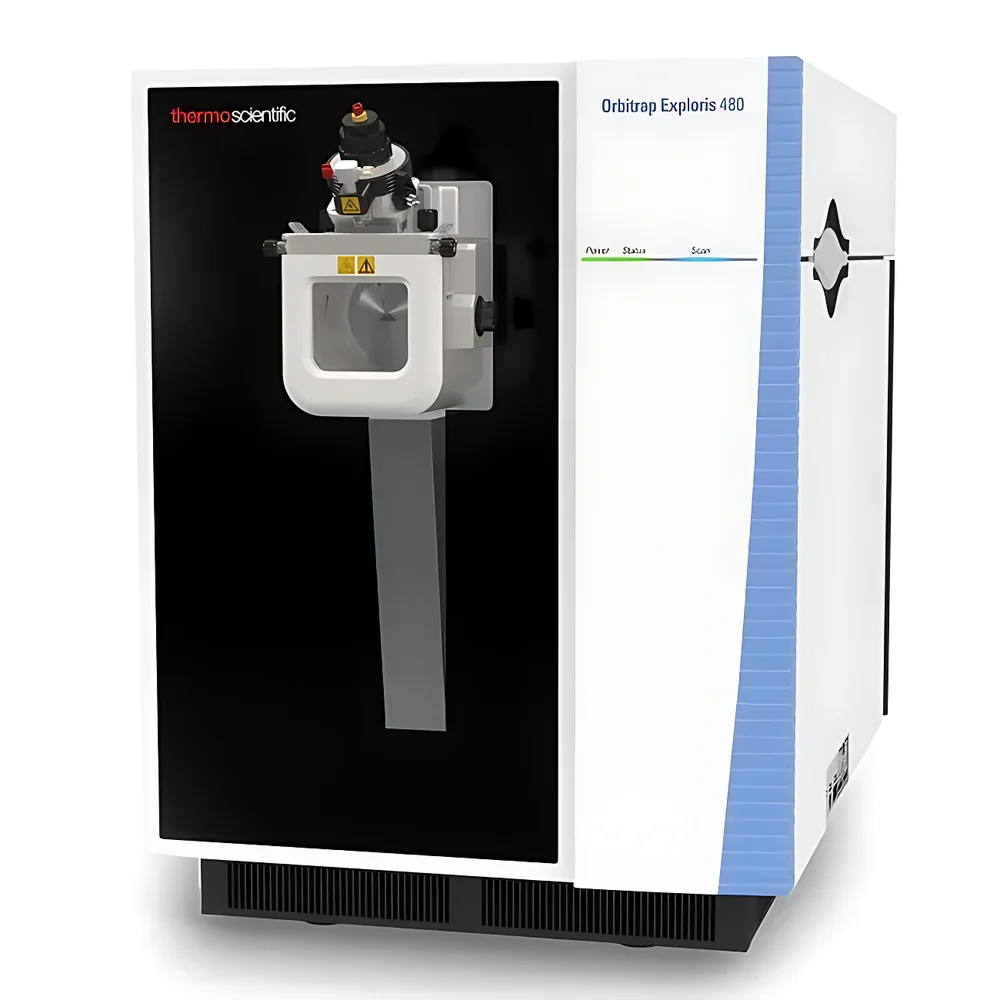
$540,000.00
Thermo Fisher Scientific Orbitrap Ascend Tribrid Mass Spectrometer is a Thermo Fisher Scientific Tribrid Orbitrap mass spectrometry platform designed for advanced proteomics, structural biology, PTM analysis and MSn workflows. Its quadrupole, linear ion trap and Orbitrap/Tribrid architecture supports sensitive, high-resolution analytical workflows, while final performance depends on the selected source, LC front end, acquisition method and software package. Installation should include site preparation, method validation, training and service planning.
Related products, categories and research.
Thermo Fisher Scientific Orbitrap Ascend Tribrid Mass Spectrometer is a Thermo Fisher Scientific Tribrid Orbitrap mass spectrometry platform designed for advanced proteomics, structural biology, PTM analysis and MSn workflows. Its quadrupole, linear ion trap and Orbitrap/Tribrid architecture supports sensitive, high-resolution analytical workflows, while final performance depends on the selected source, LC front end, acquisition method and software package. Installation should include site preparation, method validation, training and service planning.
Professional laboratory equipment should be selected as a complete analytical workflow rather than as a standalone instrument. The final package must align instrument configuration, accessories, consumables, software, site utilities, data handling, service and application validation.
Thermo Fisher Scientific Orbitrap Ascend Tribrid Mass Spectrometer is a Thermo Fisher Scientific Tribrid Orbitrap mass spectrometry platform designed for advanced proteomics, structural biology, PTM analysis and MSn workflows. Its quadrupole, linear ion trap and Orbitrap/Tribrid architecture supports sensitive, high-resolution analytical workflows, while final performance depends on the selected source, LC front end, acquisition method and software package. Installation should include site preparation, method validation, training and service planning.
Core platform capabilities and practical deployment considerations for the named model.
Advanced mass analysis supports confident identification, characterization and quantitative workflows.
Platform architecture is designed to increase analytical depth and throughput within method-dependent performance limits.
Pair with compatible liquid-chromatography systems for reproducible separation and automated sample workflows.
Instrument software and downstream analysis tools support proteomics, metabolomics and biopharma data workflows.
Tune acquisition strategies to sensitivity, throughput, structural information and quantitation requirements.
Site preparation, calibration, preventive maintenance, service and operator training are part of a production-grade deployment.
Representative professional use cases. Final suitability depends on the exact configuration and application requirements.
Discovery and quantitative protein/peptide analysis.
Characterization of biotherapeutics and complex biomolecules.
High-resolution small-molecule research workflows.
Advanced fragmentation and MSn workflows on supported Tribrid platforms.
Multi-user LC-MS environments with standardized methods and data systems.
High-resolution analytical workflows supporting biomarker and applied research.
Use these model-level specifications for evaluation, then confirm the exact SKU, revision and ordered configuration before deployment.
The final quotation should make the exact configuration explicit so procurement, installation and acceptance teams are working from the same bill of materials.
Named platform with the hardware, source/modules, software and standard accessories specified in the final quotation.
Consumables, columns/flow cells/reagents, standards, data system, installation, training, qualification and service are selected for the laboratory method.
Practical checks to complete before the final purchase order.
The final package should be defined by application, sample type, throughput, software, accessories, consumables, service coverage, data workflow and any qualification or regulatory requirements.
Consumables and starter kits vary by instrument and quotation. Confirm columns, reagents, flow cells, calibration materials, standards, vials, source parts or other workflow-specific items separately.
Only where the instrument, assay and laboratory workflow have the appropriate intended-use status, local approvals and validation. Research-use specifications should not be treated as clinical authorization.
Requirements may include power, network, bench/floor space, HVAC, gases, vacuum/exhaust, water, UPS, data storage and service clearances. Use the exact site-preparation guide for installation planning.
Plan installation, acceptance testing, calibration, user training, method transfer/validation, routine QC procedures, preventive maintenance and service escalation.
Thermo Fisher Scientific supplies analytical instruments, chromatography, mass spectrometry and laboratory software. The named system should be quoted with the correct source, LC, software, service and site-preparation package for the intended methods.
Use the quotation stage to lock the exact model, configuration, compatibility requirements and delivery package before shipment.
Confirm the named SKU/revision and required accessories before order release.
Match the equipment to workload, facility, software and integration requirements.
Align packing, insurance, destination requirements and receiving/site readiness.
Keep the quotation, BOM and available product documentation aligned for deployment.
Explore the Medical Equipment catalogue, browse related products, or contact AI Robot Supplier for model, configuration and delivery checks. Manufacturer-level product-family information is available from Thermo Fisher Scientific.
Send the intended use, destination and required configuration so the quotation can be matched to the real deployment.
Tell us what you need — we respond within one business day.