Robotiq 2FC: What Tactile Robot Grippers Mean for Physical AI
 airobot_admin
•
Workstation Hardware Research
•
Updated October 25, 2026
•
14 min read
Performance intelligence for workstation buyers.
Physical AI / October 2026 news analysis Robotiq 2FC brings touch into the physical AI buying decision The new Robotiq 2FC announcement raises a practical question: what changes when a robot can use contact information during a grasp? This guide examines the news, the difference between…
Physical AI / October 2026 news analysis
Robotiq 2FC brings touch into the physical AI buying decision
The new Robotiq 2FC announcement raises a practical question: what changes when a robot can use contact information during a grasp? This guide examines the news, the difference between sensor kits and integrated offerings, and the evidence buyers should request.
Read the analysis Discuss your applicationWhat is new about the Robotiq 2FC announcement?
Robotiq 2FC brings the conversation about physical AI closer to the point where a robot actually holds an object. Robotiq’s October announcement combines tactile sensing with local grasp intelligence, rather than treating touch as a signal that every customer must interpret from scratch. For warehouse and manufacturing buyers, the useful question is whether that additional information can improve a defined handling task.
Robotiq currently lists pre-orders with shipping planned for Q1 2027. Its official 2FC page describes two stroke options, 85 mm and 140 mm, and an upgrade route for existing 2F users using tactile sensors and an AI Hub. This is a manufacturer delivery plan, not confirmation of AI Robot Supplier inventory or a guaranteed delivery date for your project.
The buying opportunity is to evaluate contact-aware manipulation before committing to a new cell or an upgrade. The buying risk is assuming that a new sensor, driver or learned behaviour automatically becomes a reliable production process. The sections below separate the announced hardware from the evidence a project should produce.
Evaluate the grasp before buying the upgrade
Send the part dimensions, surfaces, fragility, current gripper and robot/controller details. Ask for an itemised proposal covering sensing, software, computing and application validation.
Discuss a tactile-gripping projectTactile sensing for robots: why touch matters
Tactile sensing for robots adds information about physical contact after the camera has helped locate an object. Contact creates another set of questions: did both fingers engage, is the object moving within the grasp, and can it be transferred without damage? Those questions become more demanding when parts arrive at different angles or packaging deforms.
Consider a robot lifting a small carton with a slightly crushed edge. A visually plausible grasp can still make uneven contact. Now consider a smooth container whose surface condition changes between batches. A fixed grip setting can behave differently even when the robot follows exactly the same path. These examples illustrate why a handling trial should examine what happens during and after contact, not just whether the approach was correctly planned.
With Robotiq 2FC, the relevant evaluation is whether contact information supports an observable decision. A dashboard showing signals is useful for engineering, but production value comes from a response: holding, retrying, slowing down, requesting help or rejecting the item. That response must fit the complete cell and its recovery process.
Tactile robot grippers also need a clear limit of responsibility. Contact sensing cannot resolve an incorrect order assignment, a missing destination or every unreachable object. Keep perception, grasp assessment, robot movement and warehouse confirmation visible as separate stages when diagnosing a failure.
Robotiq 2FC vs Robotiq TSF-85: compare the packages
The existing gripper, a Robotiq TSF-85 fingertip sensor kit and the newly announced integrated offering should not be treated as the same purchase. Establish the installed hardware first, then ask what must be added to obtain the required data and behaviour.
| Option | Role | Confirm before ordering |
|---|---|---|
| 2F-85 basic gripper | Adaptive mechanical gripping platform. | Robot-specific coupling, cables, control interface and supplied scope. |
| Robotiq TSF-85 Starter Kit | Tactile fingertips and starter connection hardware. | Compatible gripper revision, external data workflow and exact kit contents. |
| Robotiq 2FC | Tactile gripper offering with local contact intelligence. | Variant, AI Hub, Contact Core scope, interfaces and delivery plan. |
The Contact Core page separates simulation and control resources from embedded-intelligence capabilities. That distinction matters when comparing a fingertip kit with a complete Robotiq 2FC proposal. Ask the supplier to identify which functions are delivered by each quoted line item.
An earlier TSF-85 setup or manual must not be used as a complete description of the newer integrated product. Equally, features described for the new platform must not be promised for a previously purchased starter kit without confirming the additional hardware and supported software.
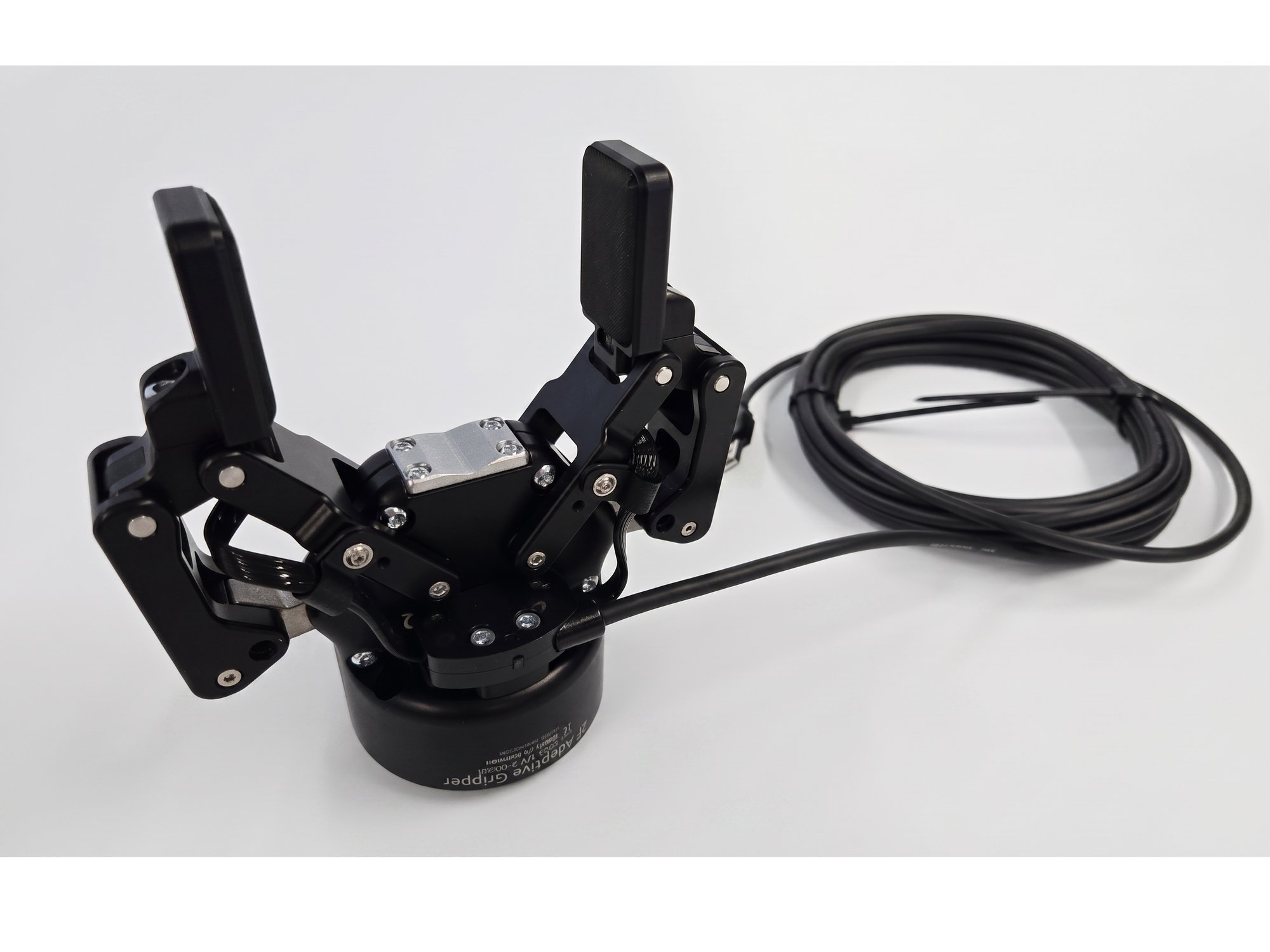
Which Robotiq 2FC capabilities need application testing?
Robotiq describes five local grasp functions: assessing grasp quality, detecting incipient slip, estimating object pose, centering and advanced grip checks. Its Contact Core information presents these as skills that make contact data actionable. Their usefulness should still be evaluated against the object, movement and success criteria in your application.
Detection is one part of recovery
A slip event is useful only if the cell has an appropriate response. Decide whether the robot should stop, lower the item, adjust a grasp or request assistance. Test that response where a dropped object would create a process problem.
Confidence needs a decision threshold
Agree how a reported confidence or grasp-quality output changes the next action. Record false alarms and missed failures separately. Otherwise, an apparently cautious setting can consume operator time without improving completed work.
For a Robotiq 2FC evaluation, require examples near the boundary of an acceptable grasp. Testing only clean, centrally positioned parts can conceal the situations that make sensing valuable. Include partly supported objects, awkward contact patches and realistic changes in surface condition.
Keep damage checks independent of successful lifting. An item can reach its destination and still be marked, crushed or made unsuitable for sale. Define acceptable product condition and inspect representative samples after repeated handling.
Robotiq 2FC specifications: what buyers should verify
| Published 2FC reference | Manufacturer value | Project check |
|---|---|---|
| Stroke options | 85 mm / 140 mm | Access, part width and useful contact geometry. |
| Payload references | 5 kg / 2.5 kg by variant | Actual grasp, movement and robot load. |
| Tactile array | 28 taxels | Useful contact information for your surfaces. |
| Dynamic sensing | 1000 Hz | Separate channel sampling from full control-loop timing. |
Source: Robotiq’s published 2FC specifications, checked on 25 October 2026. These figures are component references, not a performance guarantee for a particular cell.
Do not select Robotiq 2FC by stroke alone. A wide opening is useful only if the fingers can approach the part and remain clear of the container. A larger object may also need a different grasp mode or contact location. Provide the heaviest part, widest part and most awkward geometry as separate test cases.
The complete robot load includes the gripper, adapters, routing and workpiece. Obtain an application load assessment using the actual mass distribution. A tooling payload figure does not establish the carrying capacity of the arm, and a successful static hold does not validate every acceleration or orientation.
How simulation and ROS 2 fit the Robotiq 2FC decision
Robotiq’s 2026 developer releases give this announcement a wider context. The company published a TSF-85 tactile digital twin in June, official adaptive-gripper ROS 2 packages in August, and updated 2F-85 Isaac Sim assets in September. These are separate resources; availability of one does not establish compatibility with every version of another.
The TSF-85 simulation repository identifies Isaac Sim 5.1.0 as developed and tested, with 6.0.0 support in progress in the version reviewed. The September gripper-asset release discusses PhysX and Newton approaches to the adaptive mechanism. Match the sensor extension, gripper asset and simulator release as separate dependencies.
A Robotiq 2FC prototype should begin with a small reproducible scene. Record the asset revision, physics backend, contact parameters and control settings. Check whether the simulated fingers follow the intended grasp mode before using the scene to generate a large dataset. A visually attractive scene can still represent the wrong contact behaviour.
In the real system, the official ROS 2 release is useful integration context. Confirm support for your exact hardware and software instead of assuming that every new tactile function is included in an older driver. Define the supported interface and its maintenance owner in the proposal.
For development computing, review the NVIDIA Jetson AGX Thor Developer Kit and NVIDIA DGX Spark 128GB 4TB as separate platform options. Their inclusion here does not establish validated support for a particular simulation extension or Robotiq 2FC deployment. Match architecture, operating system, drivers and application requirements before buying.
A practical data plan for tactile robot grippers
Contact data needs an interpretation that survives outside the demonstration. Before a Robotiq 2FC trial, define which event the team wants to recognise and which action should follow. Start with a small set of well-labelled outcomes rather than collecting every available channel without a purpose.
For example, separate an empty closure, a secure grasp, a shifting object and a failed transfer. Keep the robot movement and the ground-truth outcome with the sensor record. If different operators label the same event differently, resolve the definition before treating the dataset as training evidence.
| Record | Why it matters |
|---|---|
| Part and presentation | Distinguishes object differences from controller behaviour. |
| Hardware and software revisions | Makes later comparisons reproducible. |
| Sensor and robot timestamps | Connects contact changes to the movement that caused them. |
| Outcome and recovery | Separates a failed attempt from a completed task. |
| Surface and wear condition | Checks whether the result survives ordinary operating changes. |
Keep validation objects and operating conditions separate from the examples used during development. When a policy or threshold changes, rerun the same reference set. That makes it possible to distinguish a genuine improvement from a favourable selection of test items.
Ask who owns the data and can export it in a useful format. A research team may need raw channels and event labels, while a production operator needs actionable exception messages. Those requirements can share a system, but they should be priced and accepted separately.
Physical AI grippers: where to trial Robotiq 2FC first
Physical AI grippers should be evaluated against a defined manipulation problem. Select a task where contact information can support a useful decision, then compare the result with your current equipment and recovery process.
Mixed-item handling
Choose an assortment where grasp quality or retention is a known source of lost work. Include normal changes in packaging and orientation. Track whether the additional sensing reduces intervention or simply adds another alarm that staff must clear.
Machine tending and placement
Evaluate the complete transfer, including presenting the item to the next fixture. A secure grasp can still leave the part in an unsuitable orientation. Specify which positioning work belongs to the gripper, robot, fixture or downstream process.
Physical AI research
Use a Robotiq 2FC assessment to define repeatable contact tasks, data access and a manageable development environment. An initial milestone might be reliable labelling of a small set of grasp outcomes rather than a complete autonomous cell.
Fragile or deformable objects
Begin with material trials and explicit damage criteria. More sensing does not establish food, medical or other application-specific suitability. Verify required environmental and material approvals for the exact intended use.
Prioritise a task with a measurable baseline. If the current gripper already meets output and quality requirements, an upgrade needs a clear additional purpose. That might be research data, fewer exceptions, better handling coverage or a more maintainable integration, but the benefit should be named before the purchase.
Agree a repeatable Robotiq 2FC trial
Keep a baseline run using the current equipment and the same part set. Agree which changes are permitted between runs, then record those changes. Otherwise, differences in object placement or robot speed can be mistaken for a benefit from tactile feedback.
Include a communication interruption and a normal restart in the test plan. Check how the application identifies an object already held when operation resumes. Agree the operator response if contact data is unavailable or a confidence output is inconclusive. These events help establish whether the proposed recovery process is understandable and repeatable outside the engineering demonstration.
8 essential Robotiq 2FC checks for better gripping
- Identify the exact variant. Record the stroke, fingertip configuration and hardware revision in the quotation.
- Itemise the supplied scope. Separate gripper, sensors, AI Hub, mounting, cabling and software entitlements.
- Confirm the controller interface. Obtain the supported robot, driver and software combination.
- Define the required behaviours. Specify detection, decision and recovery as separate acceptance items.
- Test representative parts. Include difficult surfaces, awkward presentation and expected variation.
- Price engineering work. Include data setup, integration, training and commissioning.
- Confirm delivery terms. Obtain a written offer tied to the exact package and destination.
- Agree service ownership. Identify who supports hardware, software, learned policies and cell recovery.
A Robotiq 2FC comparison should use equivalent scope. A bare gripper price is not comparable with a commissioned tactile-manipulation package. Likewise, a sensor kit that provides useful research signals is different from a system whose local behaviours have been validated on your parts.
Request a complete scope, not just a component price
Provide the current equipment list, robot controller, software environment, destination and required task. Ask which items can be reused and which need replacement or additional validation.
Request configuration and sourcing guidanceHow to evaluate the Robotiq 2FC business case
Start with the problem the upgrade is intended to solve. Count the present cost of failed picks, damaged items, rework and recovery time. Then establish which portion the proposed system can reasonably address. Avoid attributing every cell interruption to the end effector.
Compare completed, acceptable transfers over the same operating period. Include any additional operator work and the time needed to replenish, inspect or maintain tooling. A short grasp demonstration cannot establish the sustained improvement of a production station.
The Robotiq 2FC purchase decision should distinguish one-time investment from ongoing costs. Integration, data preparation and acceptance testing may dominate an early project. Software maintenance, training, wear parts and support affect the operating case after deployment.
For an upgrade, compare reuse with replacement using the same acceptance criteria. Keeping existing hardware can be attractive, but changes in routing, access, software or maintenance can still require engineering. Ask for a change list rather than assuming that a retained reference point makes every existing program immediately production-ready.
Use a staged commitment if evidence is incomplete: feasibility trial, defined prototype, acceptance run and then deployment. Each stage should answer a specific question. This gives the project team a basis for proceeding, revising scope or stopping before a larger rollout.
Related equipment for tactile robot grippers
AI Robot Supplier can use your requirements to discuss component and sourcing options. The following links are planning references; they do not imply a validated bundle or an authorised 2FC resale arrangement.
- Ask about the 2F-85 basic gripper and Robotiq TSF-85 Starter Kit for component and integration guidance.
- RealMan DAP-D-65 development platform for a separately assessed manipulation research environment.
- Universal Robots UR20 as an arm-sizing reference, subject to exact load and interface checks.
- Robot accessories for the broader mounting and integration discussion.
The Robotiq 2FC is the news subject of this article. Its supply route, regional offer and final package must be confirmed before it is presented as an orderable AI Robot Supplier product.
Robotiq 2FC frequently asked questions
What is Robotiq 2FC?
It is Robotiq’s newly announced tactile gripper offering combining contact sensing with local grasp intelligence. Evaluate its complete hardware and software scope against the task rather than treating the name as a guarantee of a working application.
Is Robotiq 2FC shipping immediately?
The manufacturer page reviewed on 25 October 2026 lists pre-orders and shipping planned for Q1 2027. Obtain written confirmation for the exact offer and destination. This article does not establish local stock or a guaranteed shipment date.
Is Robotiq TSF-85 the same as a complete Robotiq 2FC package?
No. A tactile fingertip Starter Kit and a complete integrated offering have different scopes. Confirm the additional computing, interfaces, software and supported behaviours before extending new-platform claims to an existing kit.
Can I upgrade an existing 2F gripper?
Robotiq describes an upgrade route using tactile sensors and an AI Hub. Ask for revision-specific eligibility, the required components and the effect on your current software and acceptance process. A general upgrade statement is not an exact-unit compatibility check.
Does 1000 Hz mean the robot reacts at 1000 Hz?
No. Channel sampling, communications, application processing and robot response are different timing measures. Ask for end-to-end behaviour on the proposed system and include the event-to-action delay in the trial where it matters.
Can tactile robot grippers replace cameras?
Contact and vision answer different questions. A project may still require object localisation, identification and approach planning before contact occurs. Choose the perception and gripping architecture together and assign responsibility for each stage of the task.
Is Robotiq 2FC automatically compatible with every arm?
Do not assume that. Confirm mounting, power, communication, robot/controller support, software versions and the complete tool load. Require a supported integration route and an application-level test for the proposed combination.
Can simulation prove the production grasp will work?
Simulation can support development and controlled comparisons. It does not remove the need to test physical surfaces, wear, packaging variation, timing and recovery. Retain the simulation and hardware configurations so results can be compared meaningfully.
How much does a Robotiq 2FC system cost?
Request an itemised quotation. The useful comparison includes the selected variant, accessories, computing, software scope, integration, acceptance testing and ongoing support. This article supplies no unverified selling price or installed-cost promise.
What should I send with an enquiry?
Provide part dimensions, weights, surfaces, fragility, photographs, robot/controller details, software environment, target task and delivery country. Include difficult examples and explain the current failure or development problem the new system is intended to address.
Official sources for physical AI grippers and tactile sensing
- Robotiq 2FC product information and planned shipping window .
- Robotiq media room for the company’s October launch communications.
- Contact Core capabilities and component distinctions .
- June 2026 TSF-85 digital-twin announcement and the maintained simulation repository .
- September 2026 gripper simulation release and August 2026 ROS 2 release .
Research checked on 25 October 2026. Manufacturer capabilities are attributed to official sources. Application examples are evaluation scenarios, not claimed customer deployments or hands-on test results.
Move from the announcement to a testable specification
Plan your Robotiq 2FC evaluation
Send the handling task, current gripper, robot/controller, development environment and destination. Ask for a clear component scope and a practical validation plan.
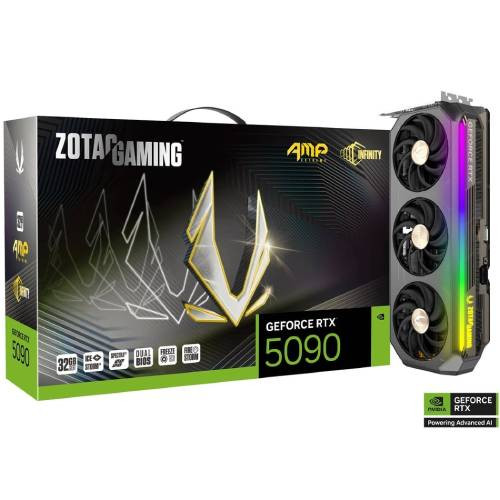 ZOTAC GAMING GeForce RTX 5090 AMP Extreme INFINITY
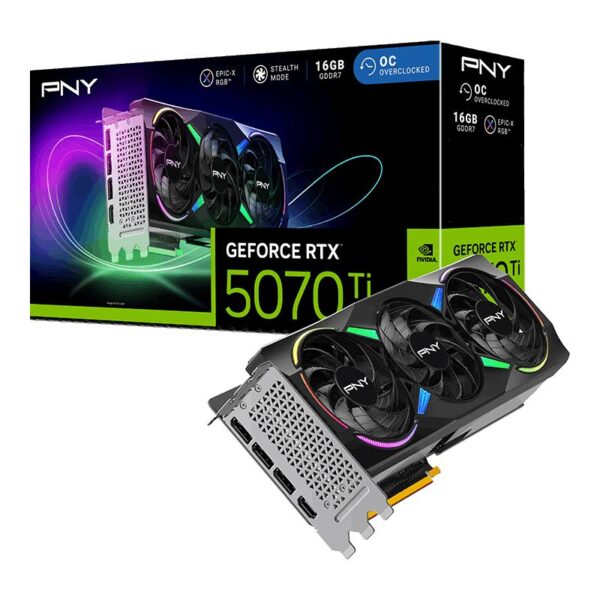 PNY GeForce RTX 5070 Ti 16GB ARGB EPIC-X RGB Overclocked Triple Fan
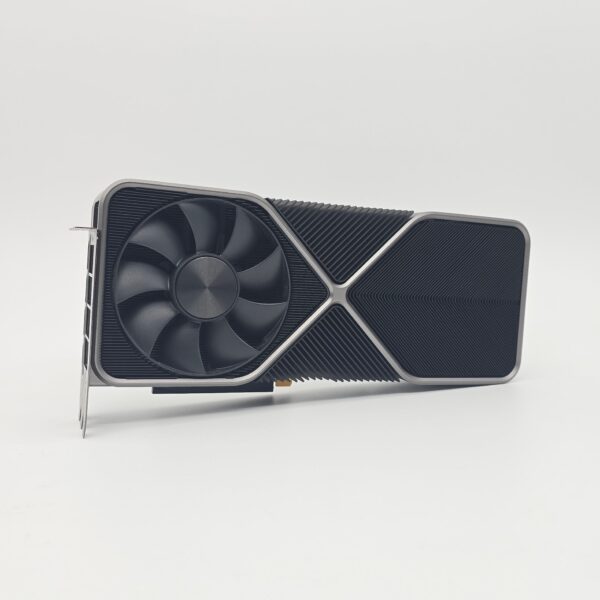 NVIDIA GeForce RTX 3090 Founders Edition 24GB
 Sapphire NITRO+ Radeon RX 7800 XT 16GB