How to Buy Humanoid Robots for Business
 •
Robotics Research
•
Updated October 11, 2026
•
7 min read
•
Robotics Research
•
Updated October 11, 2026
•
7 min read
Automation intelligence for serious technology buyers.
Learn how to buy humanoid robots for business with clear steps for configurations, supplier validation, warranties, delivery, and deployment planning.
A humanoid robot purchase can move from a promising demonstration to a costly operational mismatch very quickly. Organizations researching how to buy humanoid robots should begin with the work the robot must perform, the environment it must operate in, and the level of support required after delivery. The right platform is not simply the most advanced model available. It is the model with a confirmed configuration, realistic deployment path, and commercial terms that fit the project.
Humanoids remain an emerging professional category. Capabilities, software maturity, payload limits, safety requirements, and delivery lead times vary substantially by manufacturer and configuration. A disciplined procurement process protects the budget while giving engineering and operations teams the information needed to evaluate a platform properly.
Start With the Job, Not the Robot
Define the intended use case before requesting pricing. “General-purpose humanoid” is not a sufficient requirement for procurement or technical approval. State the task sequence the robot must support, such as materials handling, research and AI training, reception and guided interaction, inspection, teleoperation, education, or controlled facility trials.
Then document the operating conditions. Floor surface, aisle width, stairs, lighting, temperature, network coverage, interaction with people, and expected operating hours all affect platform selection. A bipedal humanoid may be valuable where human-oriented spaces are central to the use case, but it is not automatically the most efficient option for every facility task. For repetitive transport on flat, predictable floors, an AMR or mobile manipulator may offer a simpler deployment and a clearer return on investment.
Create a short set of acceptance criteria that can be used during supplier discussions. These should cover required mobility, arm degrees of freedom, payload, battery runtime, sensor package, computing hardware, remote operation, development environment, and available APIs or SDKs. If a team expects to develop custom autonomy or AI behaviors, software access and documentation are as commercially relevant as the robot’s physical specifications.
How to Buy Humanoid Robots With the Right Configuration
Humanoid robots are often sold in versions that look similar but differ materially in capability. A base unit may not include the end effectors, high-performance compute module, battery quantity, charging equipment, vision sensors, teleoperation controls, or software package required for the planned application. Confirm every included component at the product level.
Ask for a written configuration record that identifies the exact model, hardware revision where applicable, controller and compute specifications, included accessories, batteries, charger type, and regional power compatibility. For international deployments, confirm whether the quoted package is prepared for US electrical requirements and whether any local certification obligations remain with the buyer or integrator.
Condition also requires clear treatment. Professional buyers should know whether equipment is new, factory-sealed, configured to order, demonstration stock, or refurbished. These categories carry different warranty, lead-time, and support implications. Avoid assuming that published specifications or product imagery represent the exact deliverable. The supplier should confirm the actual configuration before the order is finalized.
For research teams, it is useful to separate the purchase into two decisions: the physical platform and the development stack. A capable humanoid with restricted software access may be appropriate for demonstrations or predefined functions, but unsuitable for an institution building custom perception, locomotion, manipulation, or large-language-model interaction workflows.
Validate the Supplier and the Supply Path
Humanoid robots are high-value, specialized equipment. Procurement should establish who is responsible for confirming availability, coordinating the manufacturer or authorized supply channel, managing export requirements, and communicating delivery status. A catalog listing alone is not a substitute for supplier-confirmed sourcing.
Before placing an order, request confirmation of availability, expected lead time, country of shipment, warranty coverage, and what is included in the quoted price. The answer should distinguish between inventory that is ready to ship and equipment that requires factory allocation, production, export processing, or configuration. Lead times can change when demand is high or when a manufacturer releases a new hardware revision.
For a purchase that requires internal approval, a formal quotation is usually more useful than a checkout-page total. The quotation should identify the buyer, product configuration, quantity, currency, tax treatment where relevant, delivery terms, payment milestones, warranty terms, and validity period. It should also state whether shipping, insurance, customs clearance, installation, training, or on-site commissioning are included or excluded.
AI Robot Supplier supports both direct purchasing and business procurement workflows, including formal quotations and supplier-confirmed sourcing for deployment-specific technology orders. This approach is particularly valuable when the required humanoid is not a standard, ready-to-ship configuration.
Evaluate the Full Cost of Deployment
The purchase price is only one part of the project cost. Build a total-cost view that includes freight, transit insurance, duties and taxes, site preparation, charging infrastructure, spare batteries, replacement parts, integration labor, training, maintenance, and software development. A lower unit price can lose its advantage if it arrives without the accessories, documentation, or technical support needed to put it into service.
Fleet purchases need additional planning. Confirm whether chargers, battery sets, operator controls, and software licenses are priced per unit or shared across the fleet. Ask whether fleet management tools, remote diagnostics, user accounts, and updates are available for the proposed quantity. Standardizing the configuration across units usually simplifies spares management, operator training, and acceptance testing.
A pilot order can be the right choice when the use case is still being validated. However, a pilot should be designed to answer defined questions, not merely to create a demonstration. Establish the tasks to test, uptime targets, operator requirements, data collection needs, and criteria for moving to a larger order. This provides a usable basis for the next procurement decision.
Confirm Safety, Facilities, and Operating Ownership
A humanoid robot is not ready for operation simply because it has been delivered. The buyer must determine who owns day-to-day supervision, charging, inspection, incident response, software updates, and access control. In a research environment, that may be a lab manager and engineering lead. In an operational facility, it may involve safety, IT, maintenance, and operations stakeholders.
Assess the intended work area before delivery. Charging locations should be secure and accessible. Routes should account for people, door thresholds, floor transitions, and emergency egress. If the platform uses cameras, microphones, or cloud-connected services, involve IT and privacy stakeholders early. Network segmentation, credential management, remote-access policies, and data retention can become deployment blockers if considered only after the equipment arrives.
Safety procedures should match the robot’s size, speed, motion range, and use case. Confirm emergency-stop provisions, operator controls, charging requirements, recommended inspection intervals, and manufacturer operating restrictions. Where local regulations, workplace rules, or sector-specific requirements apply, the organization should validate compliance with its safety and legal teams before moving from a controlled pilot to routine use.
Use Acceptance Criteria Before Final Delivery
For higher-value orders, agree on practical acceptance criteria before shipment. This creates a common reference for the buyer, supplier, and technical team. The criteria might include verification of serial numbers and accessories, physical inspection at receipt, battery and charging checks, successful boot and control tests, sensor verification, and confirmation of the agreed software or developer package.
Document the process for reporting shipping damage, missing accessories, or configuration discrepancies. Record unboxing with photos where appropriate, retain packaging until the initial inspection is complete, and ensure the receiving team knows not to discard serial-number labels or compliance documents. These simple controls are especially useful when an international shipment passes through multiple logistics providers.
Do not treat acceptance as a single moment. A receiving inspection confirms the delivered equipment. A deployment acceptance period confirms that the system can perform the agreed work in the intended environment. Separating these stages helps procurement teams manage commercial obligations while giving technical teams enough time to test the platform responsibly.
Make the Purchase Decision Operationally
The strongest humanoid robot purchase is one that creates a clear path from requirement to deployment. Select a platform only after the configuration, availability, warranty, delivery terms, accessories, and support responsibilities are confirmed in writing. If key facts remain uncertain, request a revised quotation or supplier confirmation rather than relying on assumptions.
A well-scoped first deployment gives an organization more than a robot. It creates real operating knowledge about workflows, staffing, safety, integration effort, and fleet potential – the information that makes the next purchase more confident and more useful.
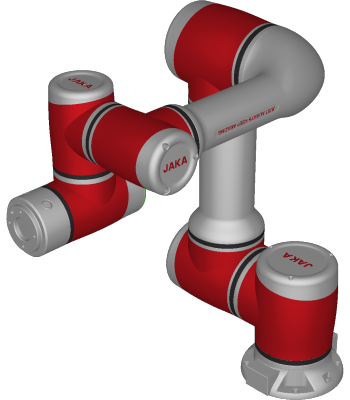 JAKA Zu 7 Collaborative Robot
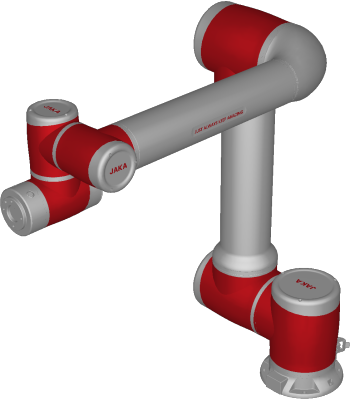 JAKA Zu 12 Collaborative Robot
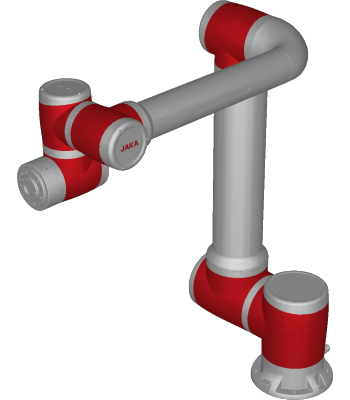 JAKA Pro 16 Collaborative Robot
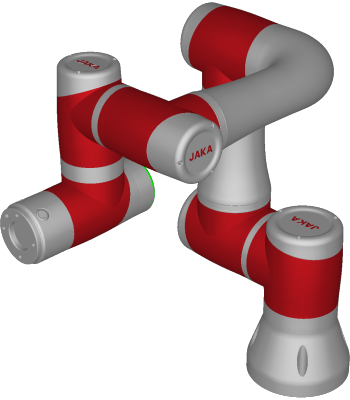 JAKA Zu 3 Collaborative Robot