Enterprise Robotics Procurement Checklist
 •
Drone Systems Research
•
Updated October 3, 2026
•
7 min read
•
Drone Systems Research
•
Updated October 3, 2026
•
7 min read
Smarter buying decisions for modern aerial systems.
Enterprise robotics procurement requires clear checks on configuration, warranty, lead time, delivery, and supplier accountability before you issue a PO.
A robot can look deployment-ready on a specification sheet and still create a purchasing problem once it reaches the approval stage. Enterprise robotics procurement is not simply a matter of selecting a model and comparing unit prices. Buyers must confirm the exact configuration, commercial terms, integration requirements, and fulfillment path for the equipment that will actually be delivered.
That discipline matters whether you are acquiring one humanoid for research, a fleet of AMRs for internal logistics, quadrupeds for inspection, or collaborative robots for a production cell. The purchase decision affects capital planning, site readiness, safety review, support ownership, and operational continuity. A lower quoted price has limited value if the product scope, warranty coverage, accessories, or lead time remain unclear.
Enterprise robotics procurement starts with the use case
The procurement process should begin with the job the robot must perform, not with a manufacturer name or a headline payload figure. Define the operating environment, expected duty cycle, autonomy level, payload, travel surface, communications requirements, and the people or systems the robot will interact with.
For example, an AMR intended for predictable indoor material movement may need fleet-management compatibility, charging infrastructure, and a defined interface to warehouse systems. A quadruped for industrial inspection may require an environmental protection rating, sensor payload support, remote-operation capability, and a plan for operating near stairs or uneven terrain. A humanoid platform may be suitable for research, demonstrations, or evolving manipulation workflows, but its application should be evaluated against current software maturity rather than assumed future capability.
This is where technical and procurement teams need a shared requirement document. It does not need to be excessively long, but it should distinguish mandatory requirements from preferences. A request that says “inspection robot” is too broad for a defensible quote. A request that specifies indoor or outdoor operation, target runtime, required sensors, software environment, and delivery location gives suppliers a practical basis for confirming a suitable configuration.
Confirm the product, not just the product family
Advanced robotics is often sold in multiple editions, with differences that affect both price and deployment. A product family may include education, research, developer, standard, industrial, or application-specific versions. Battery capacity, onboard compute, cameras, LiDAR, end effectors, controllers, charging stations, SDK access, and software licenses may also vary by configuration.
Before approving a purchase order, obtain product-specific confirmation of the following:
- Exact model number, edition, and hardware configuration
- Included accessories, such as batteries, chargers, remote controllers, or docking equipment
- Software, SDK, fleet-management, or subscription components required for intended use
- Product condition, including whether the unit is new, demonstration, refurbished, or special order
- Compatibility of optional sensors, payloads, grippers, or integration hardware
- Electrical, regional, and connectivity requirements for the deployment location
These details should appear in the quotation, pro forma invoice, or order acknowledgment. A generic product description is not enough when a missing controller, incompatible charger, or excluded software component can delay commissioning.
For higher-value orders, ask how configuration changes are handled after the quote is issued. Some products are allocated against a supplier-confirmed build or shipment schedule. Others may be available from stock but require validation before dispatch. The buyer should know whether pricing and availability are fixed for a stated period and what happens if the manufacturer revises the configuration.
Evaluate availability and lead time with precision
“Available” can mean several different things in enterprise hardware procurement. It may mean physically in stock, available at a manufacturer warehouse, reservable against incoming inventory, or capable of being produced on order. Those are materially different fulfillment conditions.
Request a clear statement of current availability and the estimated lead time associated with the exact configuration. If delivery timing is operationally significant, ask whether the date is an estimate, a confirmed shipment window, or dependent on supplier allocation. For fleet orders, confirm whether units will ship together or in batches and whether configuration consistency can be maintained across the fleet.
International purchases add another layer. The quoted delivery timeline should distinguish product preparation from transit time, and it should identify the shipping method where possible. Buyers should also establish responsibility for import documentation, duties, taxes, customs clearance, and final-mile delivery. These items are not administrative footnotes. They can determine whether equipment arrives ready for acceptance or remains delayed at the border.
A supplier that coordinates product-level confirmation before payment or dispatch can reduce uncertainty, particularly for specialized robots with changing inventory status. AI Robot Supplier supports this kind of supplier-confirmed sourcing for business buyers when direct catalog availability does not fully answer a configuration or fulfillment question.
Compare commercial terms beyond the unit price
Price comparisons are useful only when the scope is equivalent. One quotation may include a charging station, spare battery, and delivery insurance, while another covers only the base platform. A lower initial figure can become the more expensive option once essential accessories, freight, or required licenses are added.
Review the commercial package as a whole: unit price, currency, payment terms, quote validity, shipping charges, insurance, applicable taxes, warranty, and any recurring software or support fees. If your organization requires vendor onboarding, tax forms, certificates, or a formal quotation before issuing a PO, address those requirements early rather than after technical selection.
Warranty terms deserve particular attention. Confirm the warranty period, what components are covered, where service is performed, who pays shipping for warranty claims, and whether battery packs or consumable components have separate coverage. For internationally sourced robotics, a valid warranty is more useful when the return, repair, and replacement process is stated clearly.
It also helps to distinguish warranty from deployment support. Warranty addresses defects under defined conditions. Integration assistance, training, software customization, on-site commissioning, and ongoing maintenance may be separate services. Some buyers need a hardware supplier that can provide documentation and coordination, while others need a local integrator responsible for the complete operational system. Neither model is universally better. The right choice depends on internal engineering capability and the consequences of downtime.
Build the internal approval case before the robot arrives
A strong procurement file should allow finance, operations, IT, engineering, and safety stakeholders to understand what is being purchased and why. Include the intended application, approved budget, selected configuration, supplier quotation, delivery terms, warranty terms, and ownership of deployment tasks.
For connected or autonomous systems, involve IT and security teams before ordering. They may need to review network segmentation, wireless protocols, cloud dependencies, remote-access features, account administration, data retention, and firmware update processes. A robot that cannot connect to the approved network or cannot meet security policy will not deliver its intended value, regardless of its mechanical capability.
Safety and facility review should occur at the same stage. Mobile systems may require traffic rules, operating zones, signage, emergency-stop procedures, and operator training. Collaborative robots still require application-specific risk assessment. Drones may involve airspace, registration, and site policies. Procurement cannot complete these reviews alone, but it can ensure the purchase scope supports them.
For fleet purchases, consider spares and service continuity from the beginning. A single spare battery or replacement sensor may prevent an avoidable outage. However, holding inventory for every component is not always economical. Base the spares plan on lead time, criticality, expected utilization, and whether the robot supports modular replacement in the field.
Use a staged purchasing path for uncertain deployments
When the application is novel or the integration burden is high, a staged approach can protect the budget. Start with a pilot unit, defined acceptance criteria, and a timeline for testing. Measure the results that matter: task completion rate, uptime, operator intervention, safety performance, integration effort, and cost per completed activity.
A pilot should not be treated as an informal demonstration. Establish who owns testing, what environment will be used, which accessories are included, and what evidence is needed before a fleet decision. If the pilot succeeds, the organization will have a more accurate specification for the follow-on order. If it does not, the result can still prevent a larger misaligned investment.
For repeatable use cases with established integration methods, direct fleet procurement may be appropriate. The key is to document the baseline configuration and confirm that every unit will match it. Consistency simplifies training, software deployment, spare-parts planning, and maintenance.
The most useful next step is often a product-specific request for quotation that states the deployment need plainly. When the configuration, availability, warranty, accessories, and delivery conditions are confirmed before a PO is issued, the purchasing process becomes a controlled operational decision rather than a bet on a promising piece of hardware.
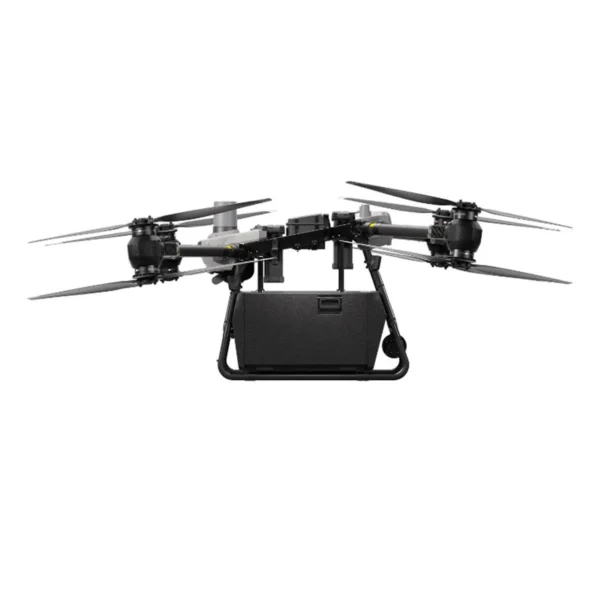 DJI FlyCart 30 Delivery Drone
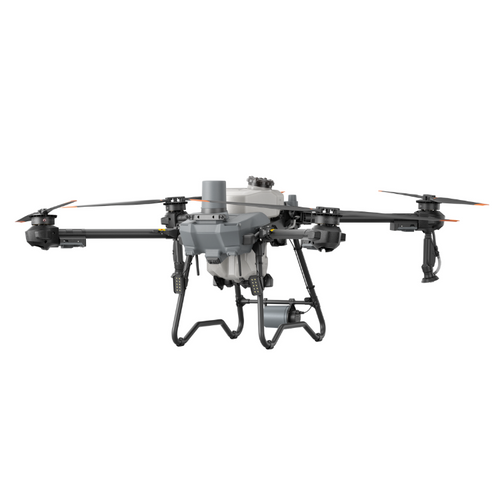 DJI Agras T25P Agriculture Drone
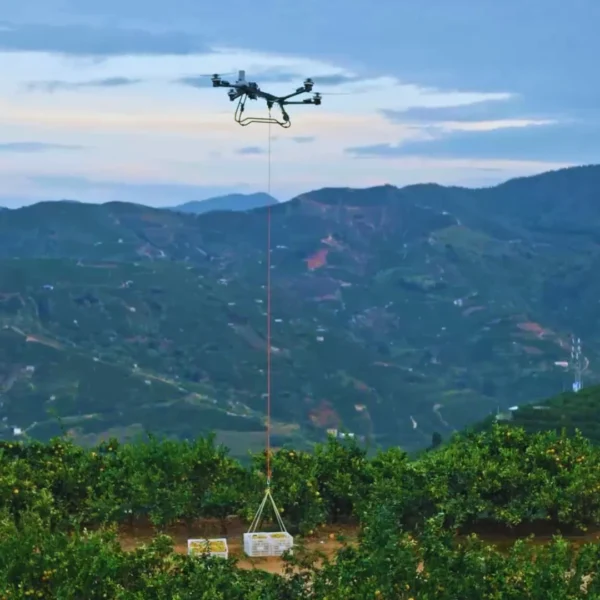 DJI Agras T70P Agriculture Drone
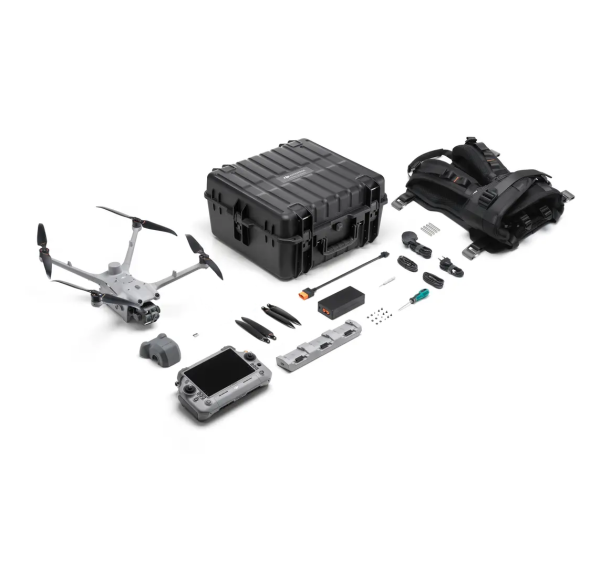 DJI Matrice 4TD Enterprise Drone