How to Choose a Robotics Equipment Supplier
 •
Workstation Hardware Research
•
Updated October 9, 2026
•
7 min read
•
Workstation Hardware Research
•
Updated October 9, 2026
•
7 min read
Performance intelligence for workstation buyers.
Choose a robotics equipment supplier with verified configurations, transparent delivery terms, formal quotes, and support for deployment-ready purchases.
A robot can look fully specified on a product page and still be unsuitable for the intended deployment. The difference may be a missing compute module, an incompatible charger, an unconfirmed payload option, regional radio requirements, or a warranty that does not apply in the buyer’s location. Choosing a robotics equipment supplier is therefore not simply a catalog decision. It is a procurement decision that should connect the platform, configuration, commercial terms, and deployment plan before an order is released.
For professional buyers, the best supplier is not necessarily the one with the lowest displayed price. It is the one that can provide product-specific answers, document what is included, and coordinate delivery expectations for the exact equipment being purchased.
Start With the Operational Requirement
A procurement process should begin with the job the robot must perform, not the category name. A quadruped intended for industrial inspection has different requirements than one used for academic research. An autonomous mobile robot moving materials in a warehouse has different navigation, safety, payload, and facility-integration needs than an AMR used for demonstrations or controlled lab work.
Define the environment first: indoor or outdoor operation, floor condition, operating temperature, lighting, network availability, and access constraints. Then specify the required payload, endurance, speed, sensing package, compute capacity, software interfaces, and operator workflow. These details determine whether a standard configuration is appropriate or whether the buyer needs a special order.
The same discipline applies to humanoids, collaborative robots, unmanned ground vehicles, and drones. A platform may be technically capable, but deployment often depends on options that are sold separately or selected at the time of order. Cameras, LiDAR, manipulator arms, batteries, charging systems, development kits, and edge AI computers can materially change both capability and delivered cost.
What a Robotics Equipment Supplier Should Confirm
For high-value robotics, generic product descriptions are not enough. Buyers should expect confirmation tied to the specific SKU, configuration, and destination. This reduces the risk of ordering a platform that differs from the unit ultimately supplied.
A qualified supplier should be able to clarify the product condition, whether the unit is new or otherwise identified; the exact configuration and installed options; included accessories; expected availability; warranty terms; estimated delivery process; and the commercial method for placing the order. If any of these points remain unclear, the buyer should treat pricing as preliminary rather than final.
Configuration confirmation matters most when manufacturers offer multiple versions with similar names. A base robot, an education edition, a research edition, and a development package may have meaningful differences in sensors, software access, battery capacity, onboard computing, or supported accessories. Request confirmation in writing rather than relying on images or broad category descriptions.
Warranty requires the same attention. Ask who administers warranty support, what the covered period is, whether support applies internationally, and what process applies if a hardware issue is identified after delivery. For fleet purchases, clarify whether replacement parts, remote diagnostics, field service, or manufacturer escalation are available under the proposed commercial arrangement.
Match the Order Method to the Purchase Risk
Direct online checkout can be efficient for standard products with published pricing, clear availability, and a configuration that needs no modification. It is often suitable for a replacement battery, a defined robotics accessory, a known development platform, or a repeat purchase where the organization has already validated the product.
A formal quotation is usually the better route when a purchase requires internal approval, purchase-order processing, banking documentation, or defined delivery terms. Quotes should identify the equipment, quantity, condition, configuration, pricing, lead-time assumptions, warranty position, and any shipping or tax treatment that applies. They create a clearer approval record than an informal email exchange.
Special-order and supplier-confirmed sourcing are appropriate when the requested platform is difficult to procure, subject to changing manufacturer availability, or dependent on a particular build specification. This route can take longer than checking out an in-stock item, but it is often the more controlled option for enterprise equipment. The trade-off is straightforward: speed is valuable, but certainty about the supplied unit is more valuable when the purchase supports a deployment schedule.
AI Robot Supplier supports these different procurement paths through direct catalog purchasing, formal quotes, and supplier-confirmed sourcing for professional robotics and AI hardware. For buyers, the useful question is not which path is fastest in the abstract. It is which path produces the clearest commercial record for the equipment being acquired.
Evaluate Technical Fit Beyond the Robot Itself
The robot is only one part of the operating system around it. Procurement teams should account for charging, networking, software licensing, spare components, safety equipment, integration labor, and ongoing support. A lower upfront platform price can become less favorable if the organization must source critical accessories separately or perform avoidable engineering work after delivery.
Compute, Connectivity, and Software Access
Many modern robots depend on external or onboard AI compute. Confirm whether the quoted unit includes the required processor, GPU module, storage, development environment, and software license. For an organization that plans to run computer vision, mapping, simulation, or custom autonomy models, compute specifications should be reviewed alongside the mechanical platform.
Connectivity is equally practical. Consider Wi-Fi standards, Ethernet availability, cellular options, remote-management requirements, API access, and compatibility with the organization’s network controls. A pilot can succeed on an isolated network and still encounter delays when moved into a managed enterprise environment.
Accessories and Readiness for Use
Ask what arrives in the shipment and what must be purchased separately. The answer should cover batteries, charging equipment, remote controllers, sensors, mounting hardware, manuals, software media, and protective cases where applicable. For mobile platforms, battery quantity and charging strategy can determine whether the system supports a full operating shift or only short demonstrations.
This is also where buyers should distinguish between a development-ready robot and a deployment-ready system. Development-ready equipment may be the right choice for an engineering team with time to build integrations. A deployment-ready requirement may call for validated accessories, defined support, installation planning, and an operating model that has been tested in the target environment.
Plan for Delivery, Acceptance, and Support
International robotics procurement introduces practical variables that should be handled before payment approval. Delivery timing can depend on supplier inventory, manufacturer release schedules, export documentation, carrier capacity, customs clearance, and the final destination. A supplier should state what is confirmed, what is estimated, and which elements may change.
Establish an acceptance process before the equipment arrives. Record the serial numbers, inspect shipping packaging, verify the listed accessories, confirm the configuration against the purchase documentation, and perform an initial power-on or functional check within the applicable reporting period. This is especially useful when multiple departments share responsibility for receiving, engineering validation, and financial closeout.
Support planning should continue after acceptance. Determine who owns setup, operator training, maintenance, firmware updates, and incident escalation. A research lab may accept a more hands-on support model than a logistics operation running equipment across multiple shifts. Neither approach is automatically better; the right choice depends on internal technical capacity and the operational cost of downtime.
Compare Suppliers on Evidence, Not Claims
When comparing providers, use a consistent evaluation sheet rather than marketing language. Review whether each supplier can identify the exact manufacturer and model, confirm the configuration, provide a formal quote when needed, explain availability, state warranty coverage, and account for delivery to the required destination. Compare the completeness of the answer, not just the number at the bottom of the quote.
Be cautious when a supplier cannot clarify whether an item is physically available, what accessories are included, or how service will be handled. Those gaps do not always mean the supplier is unsuitable, but they do indicate that the buyer should request more documentation before committing funds.
For fleet purchases, ask about consistency across units. A single robot can be evaluated case by case. Ten or fifty units require confirmation that configurations, firmware baselines, batteries, accessories, and warranty treatment will remain consistent enough to support standardized training and maintenance.
The right purchase is the one that arrives as documented, fits the intended operating environment, and has a support path your organization can actually use. Treat each supplier response as part of the technical evaluation, because accountable procurement begins well before the robot is delivered.
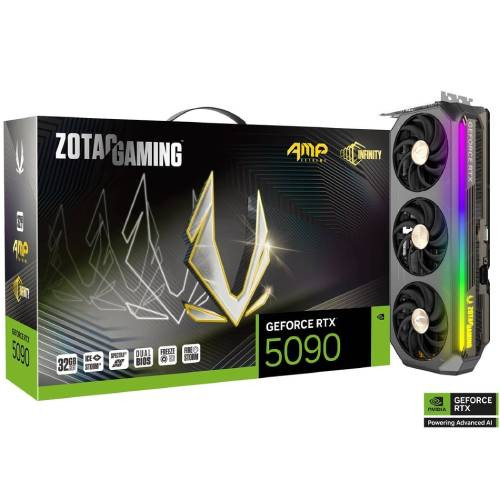 ZOTAC GAMING GeForce RTX 5090 AMP Extreme INFINITY
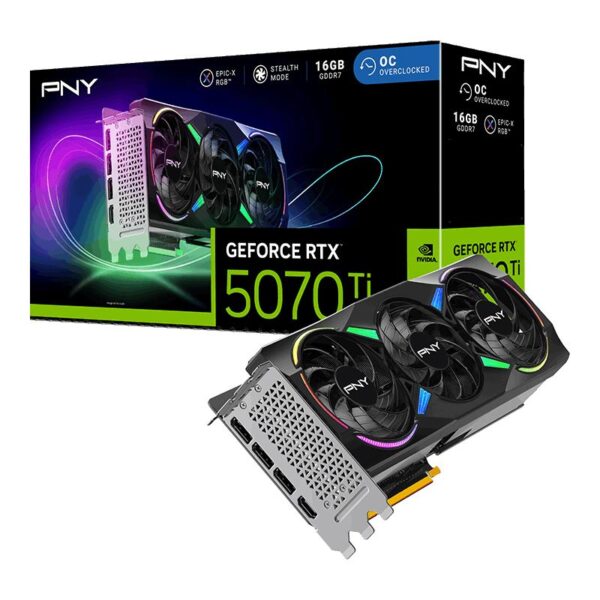 PNY GeForce RTX 5070 Ti 16GB ARGB EPIC-X RGB Overclocked Triple Fan
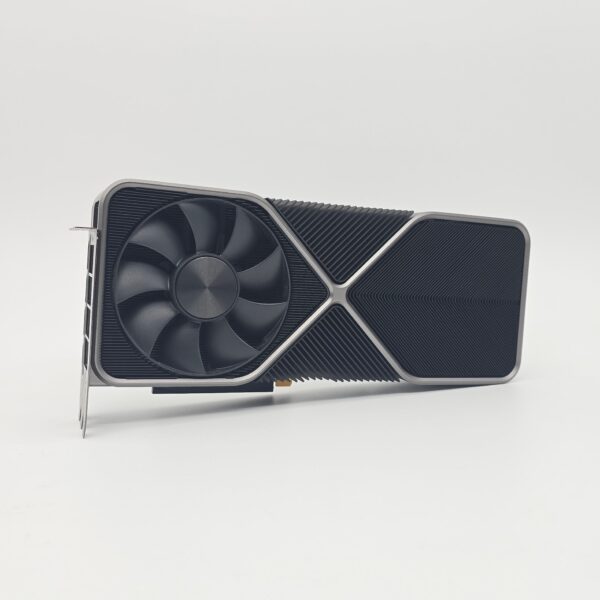 NVIDIA GeForce RTX 3090 Founders Edition 24GB
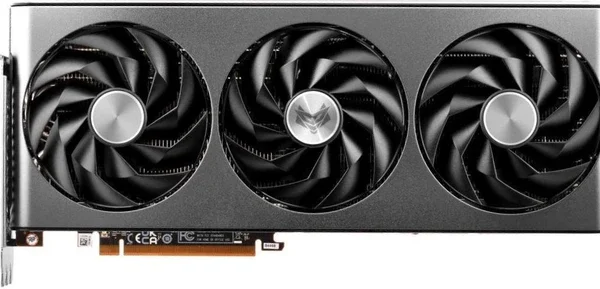 Sapphire NITRO+ Radeon RX 7800 XT 16GB