AI Hardware Procurement for Enterprise Teams
 •
Workstation Hardware Research
•
Updated October 10, 2026
•
7 min read
•
Workstation Hardware Research
•
Updated October 10, 2026
•
7 min read
Performance intelligence for workstation buyers.
AI hardware procurement: evaluate compute, robotics, networking, configurations, warranty, delivery, and supplier confirmation before ordering globally.
A GPU specification, a robot payload rating, and a server rack drawing can all look complete on a quote. They are not complete purchasing decisions. AI hardware becomes operational only when its compute capacity, software compatibility, power requirements, networking, physical deployment conditions, and commercial terms are verified together.
For enterprise buyers, the question is rarely whether a technology category is promising. The practical question is whether a specific configuration can be delivered, supported, integrated, and used for the intended workload without creating avoidable cost or deployment risk.
AI Hardware Is an Operating System Decision
AI hardware includes more than graphics cards and AI servers. In a business environment, it can include GPU workstations, rack servers, edge computers, networking equipment, storage, sensors, cameras, robotics controllers, autonomous mobile robots, humanoids, quadrupeds, drones, and the accessories required to put those systems into service.
These categories should not be evaluated in isolation. A warehouse AMR fleet may depend on wireless coverage, charging infrastructure, map creation, safety planning, and integration with warehouse software. A vision AI deployment may require cameras, edge inference devices, PoE switching, storage retention policies, and environmental enclosures. A GPU server may require power capacity, cooling, rack space, compatible interconnects, and a plan for managing model data.
This is why the lowest unit price is not always the lowest acquisition cost. A platform that appears less expensive can become costly if it requires undocumented accessories, incompatible software versions, replacement power equipment, or extended integration work. Conversely, a higher-specification system may be unnecessary when the workload is limited to low-volume inference or supervised research use.
Start With the Workload, Not the Product Category
Procurement is more accurate when teams describe the job before selecting the platform. “We need AI compute” is too broad to support a reliable quote. Define whether the workload is model training, fine-tuning, batch processing, simulation, visual inspection, real-time inference, robotic perception, or edge-based control.
For compute infrastructure, establish expected model size, dataset volume, target processing time, concurrent users, memory requirements, and whether the environment needs on-premises, cloud-connected, or isolated operation. GPU memory can matter more than raw processing figures for certain models, while CPU, system memory, storage throughput, and network bandwidth can become the limiting factors in data-heavy pipelines.
For robotics, document the operating environment and duty cycle. Floor condition, aisle width, slope, lighting, dust, humidity, network availability, payload, runtime, recharge process, and human interaction all influence the appropriate platform. A research robot intended for supervised development is a different procurement case from a machine expected to operate across multiple shifts in a facility.
A useful internal requirement document identifies the application, required outputs, operating location, interfaces, performance threshold, deployment timeline, and acceptance criteria. It gives technical teams and suppliers a shared basis for confirming whether a proposed configuration is suitable.
Evaluate the Full Configuration
Product names often represent a family of possible configurations rather than a fixed delivered system. A single AI server model may support different processors, GPU quantities, memory capacities, storage arrays, power supplies, operating systems, and networking options. The same is true for robots that may be supplied with different batteries, grippers, sensor packages, charging equipment, remote controllers, development kits, or regional power accessories.
Before issuing a purchase order, confirm the product-specific configuration in writing. The confirmation should identify the exact model, processor and accelerator selection where applicable, installed memory and storage, included accessories, software or controller components, and any excluded items needed for operation.
This matters especially when comparing offers from multiple sources. Two quotes can use the same headline product name while describing materially different systems. One may include an enterprise-grade GPU, rails, redundant power, and a support package; another may list a base chassis without those items. A robot quote may include a battery and charger but not a docking station, manipulation accessory, or integration service.
Condition also deserves explicit confirmation. New, factory-sealed, open-box, demonstration, refurbished, and surplus equipment can each be appropriate in the right context, but they carry different expectations for warranty, firmware state, accessories, cosmetics, and lead time. Do not assume that a condition category answers all of those questions.
Compatibility Is a Procurement Requirement
Compatibility should be checked across physical, electrical, software, and commercial boundaries. In a compute project, this can include operating system support, driver versions, container environment, framework compatibility, rack depth, power connectors, cooling method, and available switch ports. In robotics, it can include software development kit access, APIs, fleet management options, charging voltage, local radio requirements, and compatibility with existing safety or facility systems.
If the deployment will connect to a business network, involve IT and security teams early. They may need to approve device authentication, segmentation, remote access, update processes, logging, and data handling before equipment arrives. Late security review can delay a technically successful purchase.
Treat Availability and Delivery as Product-Specific
Advanced technology procurement is rarely a simple inventory exercise. Availability may vary by configuration, region, manufacturer allocation, export status, and the quantity requested. A listing can be useful for comparison and budgeting, but a high-value or deployment-specific order should move forward only after supplier confirmation.
Ask for the current lead time for the exact configuration, not a general estimate for the product family. Clarify whether the equipment is in stock, allocated, built to order, or subject to factory scheduling. For international purchases, establish the shipping origin, delivery method, Incoterms where applicable, customs responsibilities, and whether local compliance documents are required.
Delivery planning should also account for the receiving site. Rack equipment may require liftgate arrangements, inside delivery, pallet handling, and a staging area. Mobile robots and industrial platforms may require inspection on arrival, battery transport planning, commissioning support, and protected storage before deployment.
A transparent supplier should state what has been confirmed and what remains subject to manufacturer or logistics validation. That distinction helps procurement teams manage internal approvals without representing preliminary information as a committed delivery date.
Match the Buying Method to the Purchase Risk
Direct checkout can be suitable for standard, clearly specified equipment where price, configuration, and availability are already confirmed. For higher-value AI hardware, formal quotations usually provide a better record for approval workflows, technical review, and asset management.
A quotation should identify commercial terms alongside the technical details: unit price, currency, quantity, configuration, warranty, delivery estimate, shipping treatment, payment requirements, and quote validity. For special orders or difficult-to-source equipment, it should also distinguish between confirmed supply and a sourcing request that requires further validation.
This approach is particularly valuable for fleet purchases. Buying one robot for evaluation and buying twenty units for deployment are related but different transactions. The fleet order may require serial tracking, phased delivery, spare units, accessory standardization, training, commissioning, and a defined escalation process for warranty cases.
AI Robot Supplier supports direct orders, formal quotations, and supplier-confirmed sourcing so organizations can use the purchasing path that fits their technical and commercial requirements. The key is not choosing the most complicated workflow. It is choosing a workflow that creates clear accountability before funds are committed.
Plan for Ownership After Delivery
The purchase order is the start of the operating lifecycle, not the finish line. Assign ownership for asset registration, installation, firmware and software updates, access control, maintenance, spares, and incident response. For AI compute, establish who manages drivers, security patches, workload scheduling, and capacity reporting. For robotics, establish who owns daily checks, charging routines, map changes, operator training, and service coordination.
Warranty terms should be read as an operating condition, not a line item. Confirm duration, coverage scope, regional applicability, return procedures, advance replacement options, labor coverage, and any exclusions related to commercial use, modifications, batteries, or wear components. A warranty that is acceptable for a lab prototype may not provide enough protection for a facility-critical system.
Organizations should also preserve the purchase documentation, configuration record, serial numbers, delivery inspection results, and supplier communications in the same asset file. This documentation simplifies support requests, insurance claims, audits, redeployment, and future expansion.
The strongest AI hardware purchase is not the one with the most impressive specification sheet. It is the one whose exact configuration, delivery path, support expectations, and fit for the operating environment have been confirmed before deployment begins.
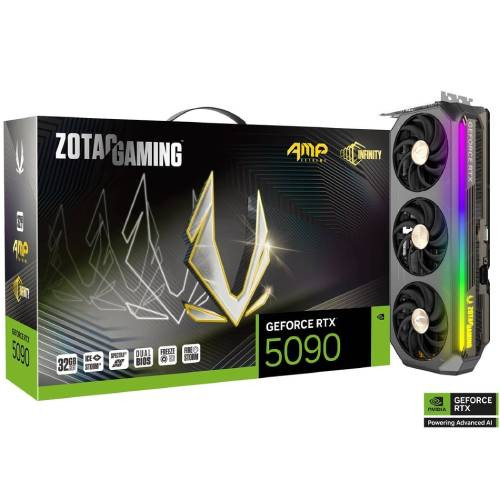 ZOTAC GAMING GeForce RTX 5090 AMP Extreme INFINITY
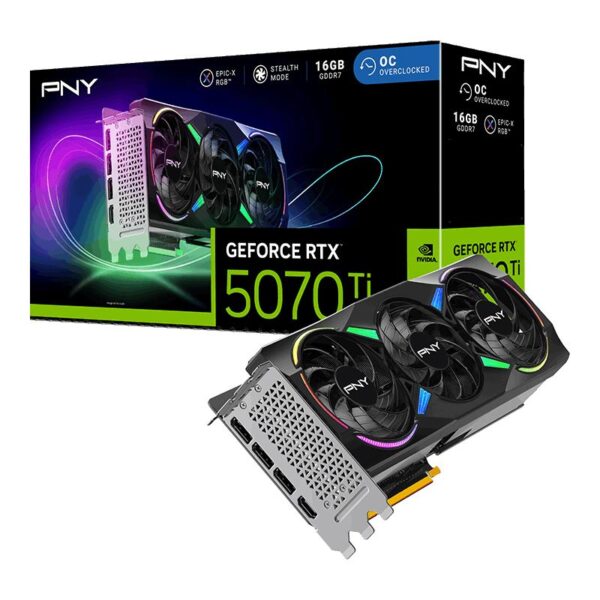 PNY GeForce RTX 5070 Ti 16GB ARGB EPIC-X RGB Overclocked Triple Fan
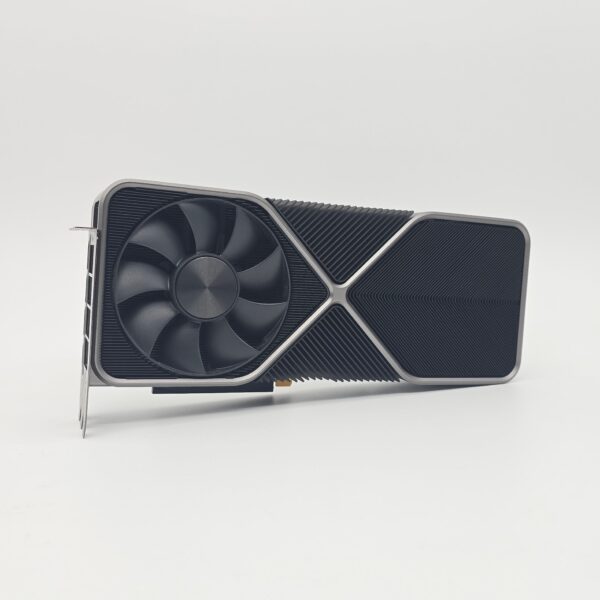 NVIDIA GeForce RTX 3090 Founders Edition 24GB
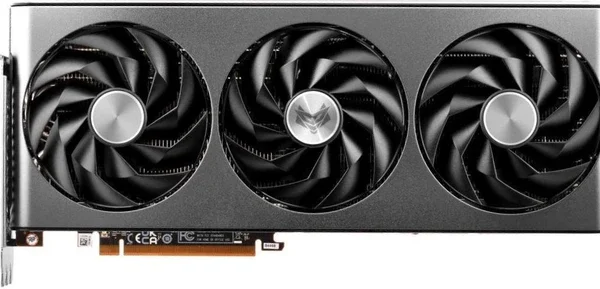 Sapphire NITRO+ Radeon RX 7800 XT 16GB