AMR Fleet Deployment Requirements for Buyers
 •
Robotics Research
•
Updated October 13, 2026
•
7 min read
•
Robotics Research
•
Updated October 13, 2026
•
7 min read
Automation intelligence for serious technology buyers.
AMR fleet deployment requirements cover more than robot selection. Plan site readiness, integration, safety, support, and procurement before placing an order.
A fleet quotation can look complete while leaving the most expensive work undefined. The AMR fleet deployment requirements that determine success are not limited to payload, speed, or battery capacity. They include facility conditions, operating workflows, software interfaces, safety controls, charging strategy, support ownership, and the commercial terms behind every delivered unit.
For procurement and operations teams, the goal is to buy a system that can perform a defined job at an agreed operating level – not simply to acquire a group of mobile robots. A disciplined deployment brief gives suppliers, integrators, and internal stakeholders the same basis for evaluating configuration, availability, accessories, delivery scope, and ongoing responsibilities.
Define the operational job before selecting an AMR
Start with the material movement or service task the fleet must perform. “Automate transport” is too broad for a usable requirement. Define the pickup point, destination, load type, handoff method, route frequency, operating hours, travel distance, expected exceptions, and the person or system responsible when a robot cannot complete a mission.
A cart-moving AMR, pallet mover, tugger, autonomous forklift, and indoor inspection platform can all operate in the same building, but their deployment conditions differ substantially. Payload is only one factor. The load’s center of gravity, docking tolerance, attachment design, floor transitions, and how an operator loads or unloads the robot may determine the platform class.
Volume assumptions should also be expressed in practical terms. Estimate missions per shift, average mission duration, peak-period demand, and the proportion of time spent waiting at pickup or delivery points. A fleet sized around average demand may create a queue during shift changes or production peaks. A fleet sized solely for peak demand may carry unnecessary capital cost if staging, dispatch logic, or handoff processes could remove the bottleneck.
Define success criteria early. These may include completed missions per shift, on-time delivery rate, labor hours reassigned, utilization, downtime, or a target payback period. The metrics should distinguish robot availability from process performance. A robot can be mechanically available while unable to work because an elevator interface, loading station, or warehouse management system is unavailable.
Site readiness is a core AMR fleet deployment requirement
An AMR fleet is deployed into an operating environment, not a test lane. Conduct a site survey that follows the complete mission path, including the conditions that occur outside normal traffic hours. Capture floor material and condition, slopes, thresholds, doorway widths, turning clearance, lighting, Wi-Fi coverage, congestion points, pedestrian routes, and locations where loads are transferred.
Floor quality deserves particular attention. Small gaps, uneven joints, loose mats, reflective surfaces, standing water, and debris can affect navigation, ride quality, or load stability. A platform suitable for a clean distribution center may need different wheels, sensing, enclosure protection, or speed limits in a mixed industrial environment.
Charging should be planned as an operational system rather than an accessory purchase. Determine whether robots will use opportunity charging, scheduled charging, manual battery exchange, or a dedicated charging area. The selected approach affects the number of robots required, electrical work, traffic flow, and battery life expectations. Chargers need protected space, verified power capacity, network access where required, and procedures for faults or emergency isolation.
Network validation should cover the actual routes and expected traffic load. Identify wireless dead zones, roaming behavior, authentication requirements, firewall rules, device management policies, and whether the fleet can continue operating safely during an outage. Cybersecurity review is not separate from deployment planning when a fleet manager connects to enterprise systems or remote support services.
Integration and workflow design determine fleet value
Many first deployments can run with operator-initiated missions and defined pickup and drop-off stations. That may be the correct low-risk starting point. However, buyers should decide whether the business case depends on integration with warehouse management, manufacturing execution, enterprise resource planning, building access, elevators, automatic doors, conveyors, or call buttons.
Each interface requires a named owner, technical documentation, testing time, and a recovery procedure. For example, an AMR may successfully arrive at an elevator but remain idle if the building control interface does not confirm access. A conveyor handoff can be equally limiting if sensor signals, timing, or load positioning are inconsistent.
Specify the fleet software functions needed at launch and those intended later. Typical requirements include map management, user roles, task prioritization, traffic control, battery monitoring, maintenance alerts, reporting, APIs, and audit logs. Verify whether these capabilities are included in the supplied configuration, licensed separately, hosted locally or in the cloud, and supported in the countries where the fleet will operate.
Avoid assuming that one fleet manager can coordinate every brand or application. Multi-vendor control may be possible, but interoperability varies by platform, interface standard, and implementation scope. A mixed fleet can be commercially sensible when different jobs require different vehicle types. It also increases integration, training, spare-parts, and support complexity.
Safety planning needs real operating scenarios
Safety review should begin before equipment is ordered, with participation from operations, facility management, environmental health and safety, IT, and the applicable integrator or supplier. The review should assess intended use, foreseeable misuse, traffic separation, payload behavior, stop zones, restricted areas, warning methods, emergency response, and local regulatory obligations.
Do not treat built-in sensors as a substitute for process controls. The fleet may need marked pedestrian crossings, revised aisle rules, speed restrictions near people, physical barriers, staffed handoff areas, or changes to forklift routes. The correct controls depend on the site and application. A robot operating at night in a restricted warehouse has different requirements from one sharing corridors with staff, visitors, and carts.
Document exception handling in plain operational language. Operators should know what to do when a robot loses localization, encounters an obstruction, drops communication, arrives at a blocked station, detects a low battery, or carries a damaged load. Supervisors need authority to change priorities, remove a unit from service, and escalate technical faults without bypassing safety procedures.
Procurement requirements should make the delivered scope accountable
A high-value fleet order should identify more than a model number and quantity. Request product-specific confirmation of the exact configuration, payload rating, navigation package, batteries, chargers, software licenses, attachments, spare parts, included accessories, condition, warranty, lead time, delivery terms, and commissioning scope.
Where a formal quotation is needed, separate equipment supply from site preparation, integration, installation, training, acceptance testing, and travel expenses. These elements may be supplied by different parties. Clear separation prevents a buyer from assuming an installation service is included because the equipment itself is available.
The purchase package should also state acceptance criteria. These can include a mapped operating area, specified routes, load type, mission completion rate, training delivery, documentation handover, and a defined test period. Acceptance conditions must be realistic. They should account for customer-controlled dependencies such as network access, site changes, and third-party interfaces.
For international procurement, confirm export documentation, shipping method, import responsibilities, battery transport requirements, destination voltage and plug standards, language settings, and the practical path for warranty service. Supplier-confirmed sourcing is particularly valuable when availability changes by configuration or when specialized accessories are required for a deployment.
Plan support, spares, and scale from the first order
The first fleet should establish a support model that remains workable when the fleet expands. Assign internal owners for daily operations, first-line checks, software administration, maintenance coordination, and supplier escalation. Training should cover operators, supervisors, maintenance personnel, and IT administrators according to their responsibilities rather than giving every user the same generic session.
Keep critical spares aligned with the operating risk. The appropriate inventory depends on the platform, operating hours, service coverage, and downtime cost. Batteries, charging components, wheels, sensors, and approved wear parts may deserve different treatment at a single-site pilot than at a 24-hour production operation.
Before scaling, review actual travel times, charge behavior, intervention rates, blocked-route events, and integration failures. These records reveal whether the next investment should be more robots, additional charging capacity, redesigned stations, improved wireless coverage, or a process change. AI Robot Supplier can support buyers who need a formal, configuration-specific procurement path for fleet-ready robotics and related deployment hardware.
A well-prepared AMR order creates a practical decision point: the equipment is known, the operating environment is understood, and each party can see what must happen before the fleet is expected to perform. That clarity is usually more valuable than adding another robot to an undefined process.
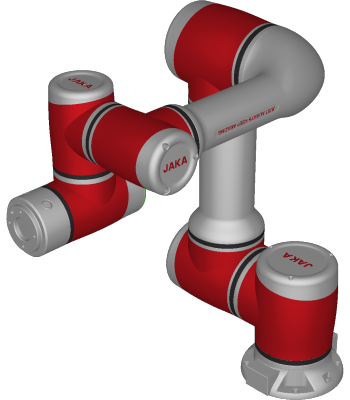 JAKA Zu 7 Collaborative Robot
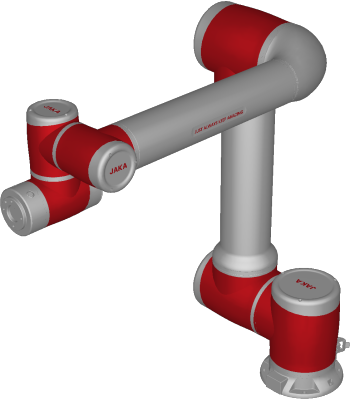 JAKA Zu 12 Collaborative Robot
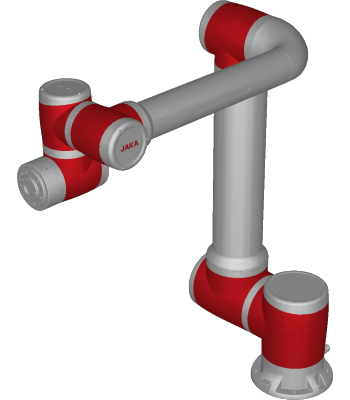 JAKA Pro 16 Collaborative Robot
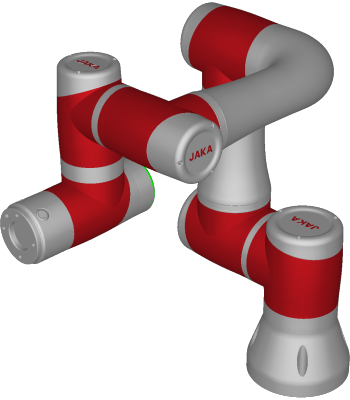 JAKA Zu 3 Collaborative Robot