How to Request a Robotics Purchase Quotation
 •
Workstation Hardware Research
•
Updated October 18, 2026
•
6 min read
Performance intelligence for workstation buyers.
Request a robotics purchase quotation with confirmed configuration, availability, warranty, accessories, delivery terms, and commercial details for approval.
A request for a robotics purchase quotation should do more than generate a price. For enterprise robotics, the quotation is the commercial record that connects a specific platform and configuration to availability, warranty, delivery expectations, and the deployment requirements your organization must approve.
A humanoid robot, quadruped, AMR, collaborative robot, unmanned ground vehicle, or professional drone can look straightforward in a catalog. The actual purchasing decision rarely is. Payload options, battery packages, sensor selections, software access, charging equipment, regional power requirements, and included accessories can materially change the order scope. A useful quotation turns those variables into a documented purchase proposal rather than leaving them to assumptions.
When to request a robotics purchase quotation
Request a formal quotation when the purchase requires internal approval, a purchase order, budget validation, procurement documentation, or confirmation before payment. This is especially appropriate for higher-value systems, multiple-unit orders, custom configurations, special-order products, and projects involving international delivery.
Direct checkout may be suitable when the exact model, condition, price, and fulfillment terms are already established. A quotation is the better route when any of those points need verification. It provides a structured way to confirm what is being supplied before your organization commits capital or schedules deployment resources.
For fleet purchases, a quotation also gives operations and finance teams a shared commercial reference. Instead of comparing informal emails or preliminary product pages, stakeholders can review the same part numbers, quantities, pricing, lead times, and terms.
Information that produces an accurate quotation
The quality of the quote request directly affects the quality of the response. A simple request for “a robot price” may be enough to start a conversation, but it may not be enough to issue a purchase-ready quotation. Provide the intended application, preferred platform or manufacturer, required quantity, and delivery destination at minimum.
For example, a facilities team evaluating a quadruped for inspection should state whether it needs autonomous patrol capability, a specific camera or sensor package, extra batteries, a charging dock, remote-control equipment, or an operator workstation. An engineering lab purchasing humanoid robots should identify whether the order requires a standard research configuration, development interfaces, spare parts, or a particular software environment.
The following details are particularly useful when requesting a robotics purchase quotation:
- Product model, manufacturer, or platform category
- Quantity required now and expected future fleet volume
- Required configuration, payload, sensors, batteries, charging equipment, and accessories
- New, supplier-confirmed, demonstration, or other acceptable product condition
- Ship-to location, receiving constraints, and requested delivery window
- Whether your organization needs a formal quote, pro forma invoice, tax documentation, or purchase-order acceptance
If you do not yet know the exact configuration, describe the operating environment and task. Is the robot intended for warehouse transport, security patrols, research, visual inspection, education, industrial automation, or outdoor field work? A procurement-focused supplier can use that information to narrow the configuration without presenting a generic, misleading price.
What a product-specific quotation should confirm
A formal quote should identify the supplied item precisely enough for technical and commercial review. At a minimum, look for the manufacturer, model, configuration, quantity, unit pricing, total pricing, currency, quotation validity period, and payment terms.
For robotics purchases, product-specific confirmation matters just as much as the line-item total. The quotation should make clear whether batteries, chargers, controllers, sensor modules, docking stations, software licenses, development kits, protective cases, and other accessories are included. If a component is optional or separately priced, it should be identified accordingly.
Availability should also be stated in practical terms. “Available” can mean in stock, allocated at a supplier facility, buildable against a production schedule, or subject to manufacturer confirmation. Those are different commercial positions. A transparent supplier distinguishes between them and avoids treating preliminary availability as a guaranteed ship date.
Warranty coverage deserves the same attention. Confirm the warranty period, who provides it, the applicable territory, and any conditions that affect support. Some professional systems have manufacturer warranty terms that differ by region, product condition, or use case. For international orders, ask how warranty coordination and service communication will be handled after delivery.
Delivery terms should identify the destination, anticipated lead time, shipping method where known, and whether freight, insurance, duties, taxes, import charges, or local handling are included or excluded. There is no single preferred arrangement for every buyer. A university receiving a small research platform may prioritize door-to-door delivery, while an integrator importing a fleet may prefer commercial terms compatible with its own freight and customs process.
Separate budgetary pricing from an order-ready quote
Early project planning often needs budgetary pricing. That is legitimate, but it should not be confused with an order-ready quotation. Budgetary figures help teams assess feasibility and secure preliminary funding. They may be based on indicative availability, estimated freight, or a baseline configuration that will change after technical review.
An order-ready quote is more specific. It reflects the selected configuration, confirmed commercial assumptions, current supplier information, and a defined validity period. If pricing depends on quantity, exchange rates, manufacturing allocation, or shipping conditions, the quote should say so clearly.
This distinction prevents a common procurement problem: a team obtains an early estimate, treats it as final, and discovers later that the quoted platform did not include batteries, a required sensor, integration hardware, or delivery charges. The goal is not simply the lowest figure. It is a quote that accurately represents the purchase scope your organization intends to approve.
Review the quotation with technical and procurement teams
Technical reviewers should verify that the quoted model and accessories meet the operating requirement. Procurement should check that the legal entity, billing details, payment method, quotation validity, and delivery terms are acceptable. Operations teams should confirm whether the site can receive, store, charge, configure, and safely operate the equipment when it arrives.
For a larger deployment, ask whether the quote addresses phased deliveries, matched configurations across units, spare batteries, replacement components, and future expansion. Buying one robot for evaluation and buying twenty robots for operational use are related but different transactions. Fleet consistency, support planning, and lead-time management become more important as quantity increases.
It is also sensible to identify integration responsibilities before placing the order. A supplier may provide the hardware exactly as quoted, while your internal team or systems integrator handles mapping, workflow design, network access, safety validation, software customization, and operator training. Clarifying the handoff protects both the project schedule and the purchasing record.
Questions worth resolving before approval
Before releasing a purchase order or making payment, confirm the items that could affect delivery, acceptance, or total cost. Ask whether the configuration is supplier-confirmed, whether every required accessory is included, what lead time applies after payment or PO acceptance, and what documentation accompanies shipment.
For cross-border purchases, verify the importer-of-record arrangement, export eligibility where applicable, product classification needs, and responsibility for duties and local taxes. These requirements vary by destination and product category. A quote that is fully suitable for a domestic shipment may require additional coordination for an international delivery.
If the project is time-sensitive, ask what event starts the lead-time clock. It may begin when payment clears, when a purchase order is accepted, when the manufacturer confirms allocation, or when final configuration approval is received. This is a small detail with significant scheduling consequences.
AI Robot Supplier supports this process through product-specific, supplier-confirmed sourcing for professional robotics and specialized technology hardware. The appropriate commercial path depends on the product, configuration, quantity, and destination, which is why confirmation should precede any assumption about availability or fulfillment.
A well-prepared quotation request gives your supplier enough information to respond accurately and gives your internal stakeholders a document they can approve with confidence. Treat it as the first controlled step in deployment planning, not merely as a request for a number.
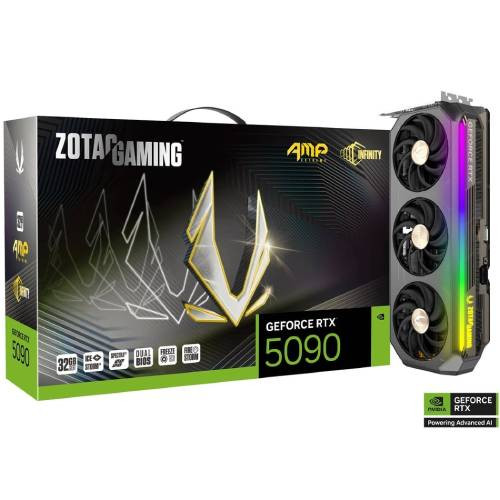 ZOTAC GAMING GeForce RTX 5090 AMP Extreme INFINITY
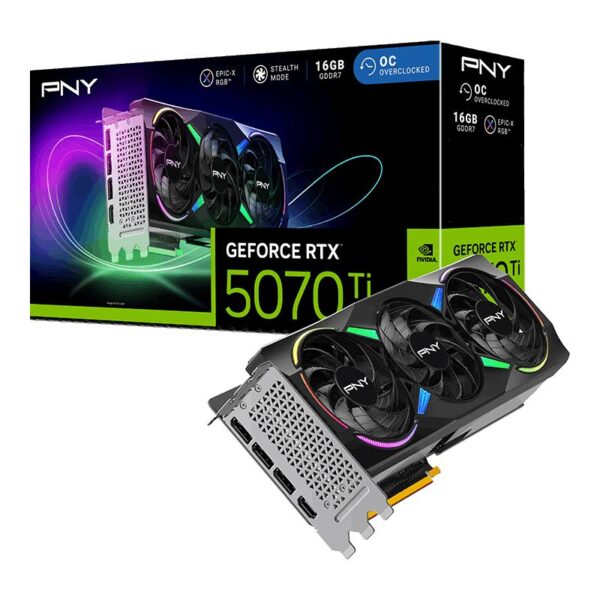 PNY GeForce RTX 5070 Ti 16GB ARGB EPIC-X RGB Overclocked Triple Fan
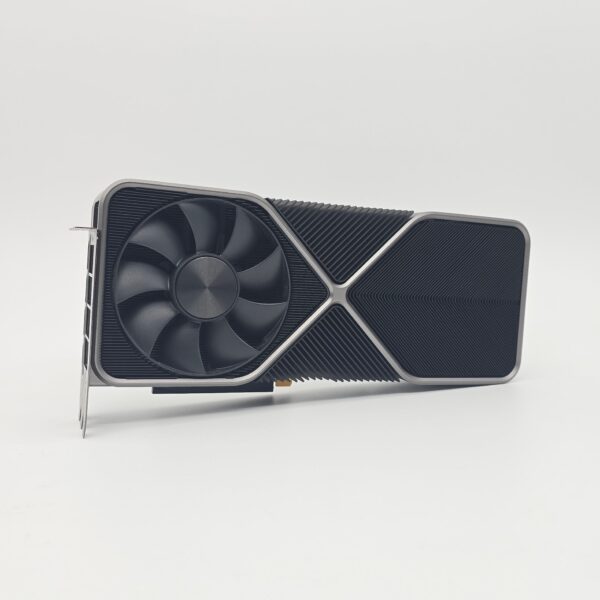 NVIDIA GeForce RTX 3090 Founders Edition 24GB
 Sapphire NITRO+ Radeon RX 7800 XT 16GB