How to Choose an Autonomous Mobile Robot Supplier
 •
Robotics Research
•
Updated October 6, 2026
•
7 min read
•
Robotics Research
•
Updated October 6, 2026
•
7 min read
Automation intelligence for serious technology buyers.
Choose an autonomous mobile robot supplier with product-specific configuration checks, transparent terms, and support for scalable deployment planning.
An autonomous mobile robot supplier is not simply a source for a vehicle with sensors and navigation software. For a business buyer, the supplier becomes part of the deployment chain: confirming the exact platform, validating what is included, coordinating the commercial process, and setting realistic expectations for warranty, lead time, and delivery. That role matters when an AMR purchase affects warehouse throughput, facility coverage, engineering schedules, or a pilot that must prove its value quickly.
The right purchasing decision starts with the application, then moves through technical fit, commercial clarity, and supplier accountability. A lower headline price can be less valuable than a documented configuration that arrives with the correct accessories, support terms, and delivery conditions.
Start With the Operating Requirement
AMR categories can look similar in a catalog while serving very different jobs. A material-handling AMR may be designed around payload movement, towing, rack transfer, or conveyor integration. A patrol platform may prioritize endurance, sensor coverage, remote operation, and integration with security workflows. Research and education platforms often place more value on open interfaces, development tools, and access to onboard compute.
Before comparing suppliers, define the operating requirement in terms that can be verified. Document the intended payload, dimensions, floor conditions, slopes, aisle widths, operating hours, charging approach, and any interactions with people, doors, elevators, conveyors, or production equipment. For indoor deployments, Wi-Fi coverage and facility mapping requirements can be as consequential as drive specifications.
Also separate the pilot requirement from the fleet requirement. A single robot used for evaluation may tolerate manual charging, frequent operator attention, and limited integration. A fleet intended for daily operations requires a different standard for traffic management, spare parts, charging capacity, support response, and software administration. Buying a pilot unit without considering the eventual fleet model can create unnecessary rework later.
What an Autonomous Mobile Robot Supplier Should Confirm
Enterprise robotics purchasing requires product-specific confirmation. Manufacturer names and model families are useful starting points, but they do not always establish the exact commercial scope of an order. Configurations can change by payload rating, battery option, sensor suite, software license, charging equipment, regional compliance package, and included accessories.
A qualified supplier should be able to confirm whether the quoted or listed product is new, available, and appropriate for the stated use case. The buyer should receive clear information on the selected configuration, what is included in the shipment, warranty coverage, estimated delivery timing, and any dependencies that affect the order.
This is particularly important for specialized models, custom payloads, fleet quantities, and products sourced through manufacturer or distributor channels. Availability may be subject to factory allocation, production timing, export documentation, or confirmation of the final technical specification. Transparent supplier communication does not mean promising immediate availability before it is verified. It means identifying what is confirmed, what remains subject to supplier approval, and what actions are required before fulfillment can proceed.
For higher-value purchases, request a formal quotation that records the model number, configuration, quantity, commercial validity period, payment terms, delivery terms, warranty, and exclusions. A quotation gives procurement, engineering, finance, and operations teams a common document to review. It also reduces the risk of comparing one supplier’s base unit against another supplier’s package that includes batteries, chargers, software, or required interfaces.
Evaluate Technical Fit Beyond Payload
Payload is an essential specification, but it is not enough to determine whether an AMR will work in a live environment. A platform may carry the required weight and still fail to meet the real operating need because of its footprint, turning radius, top speed under load, battery runtime, docking accuracy, or navigation behavior.
Ask how the robot navigates and what assumptions its navigation system makes about the environment. Some deployments are well suited to mapped indoor spaces with stable layouts. Others need the ability to handle changing staging areas, temporary obstructions, or workspaces where people and equipment move constantly. The answer is rarely that one navigation approach is universally better. It depends on the site, the task, the required reliability level, and the organization’s ability to maintain maps and operating rules.
Integration should receive the same scrutiny. If the AMR must exchange data with a warehouse management system, manufacturing execution system, access-control platform, elevator controller, or custom application, clarify which interfaces are available and who is responsible for implementation. A robot can be technically capable of integration while still requiring engineering work, middleware, licenses, or third-party services that are not included in the hardware purchase.
Safety planning also belongs in the procurement discussion. Confirm the installed sensors, emergency-stop arrangement, speed zones, warning devices, operating limits, and site responsibilities. The supplier can provide platform information, but the buyer or integrator must still assess the deployment environment and local safety requirements. A credible commercial process makes that division of responsibility clear rather than treating safety as a generic product feature.
Compare Commercial Terms, Not Just Unit Price
AMR projects often involve costs that do not appear in a base hardware price. Depending on the project, those costs may include charging stations, spare batteries, fleet-management software, commissioning, mapping, integration, training, replacement parts, packaging, insurance, customs handling, and international freight.
A useful comparison evaluates the delivered purchasing scope. If one offer includes a charging dock and another does not, the lower-priced unit may not be the lower-cost option. The same applies when one supplier provides a defined warranty process while another provides only a general statement of coverage.
For international orders, verify the agreed delivery terms and which party is responsible for freight, import duties, taxes, customs clearance, and local handling. Lead time should be stated as an estimate tied to the confirmed product configuration, not assumed from a generic product-page status. This is especially relevant for professional robotics where a platform may be assembled or allocated after an order is approved.
Payment workflow matters as well. Direct checkout can be appropriate for standard products and established configurations. Formal quotations, purchase orders, and supplier-confirmed sourcing are often better suited to fleet purchases, technical variations, or internal approval processes. An autonomous mobile robot supplier should support the purchasing method that matches the transaction rather than forcing a complex deployment purchase into a consumer-style checkout flow.
Assess Support Across the Deployment Lifecycle
The supplier relationship should not end when the shipment leaves the warehouse. Buyers should understand the route for technical questions, warranty claims, replacement parts, and manufacturer escalation. These details are particularly important when the robot will operate in a business-critical workflow or at a site far from the manufacturer.
Support expectations should be realistic. A procurement supplier may coordinate product information, commercial documentation, fulfillment, and warranty handling, while an integrator or internal engineering team performs installation, workflow design, and on-site commissioning. In other cases, the manufacturer may provide defined remote support or optional deployment services. Confirming these boundaries before purchase prevents a common problem: assuming that hardware supply includes a complete automation project.
For fleet planning, ask about long-term availability of consumable and serviceable components. Batteries, wheels, sensors, charging hardware, and computing modules can affect uptime over the life of the platform. It is also sensible to ask whether the manufacturer maintains the model line, how software updates are delivered, and whether future fleet expansion can use the same management environment.
Build a Procurement Record That Operations Can Use
A strong AMR purchasing file should connect the commercial order to the operational requirement. It should include the approved configuration, quote, delivery terms, warranty statement, accessory list, technical documentation, site assumptions, and contacts for escalation. This record helps purchasing complete the transaction, but it also gives operations and engineering a reliable starting point when the equipment arrives.
AI Robot Supplier supports this type of disciplined procurement workflow through direct purchasing, formal quotations, special orders, and supplier-confirmed sourcing for professional robotics and related technology hardware. For deployment-specific requirements, the objective is not to move a generic unit quickly. It is to establish the exact product and commercial terms before a substantial budget is committed.
The most useful final question is straightforward: can the supplier explain, in writing, exactly what will be delivered, when it is expected, what support applies, and what remains the buyer’s responsibility? If the answer is clear, the AMR evaluation can move from product interest to an accountable purchasing decision.
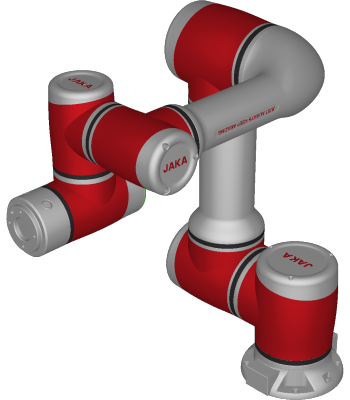 JAKA Zu 7 Collaborative Robot
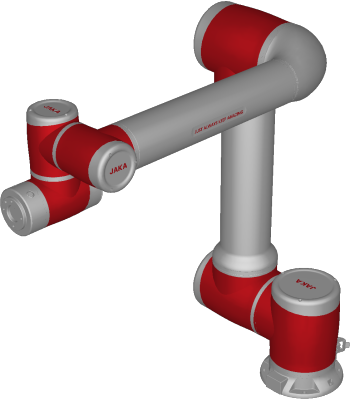 JAKA Zu 12 Collaborative Robot
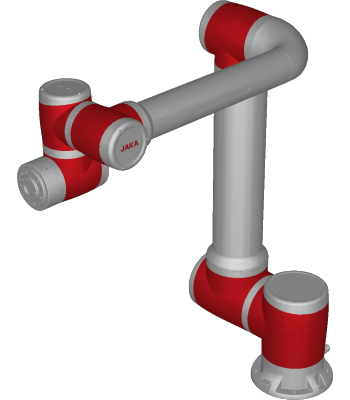 JAKA Pro 16 Collaborative Robot
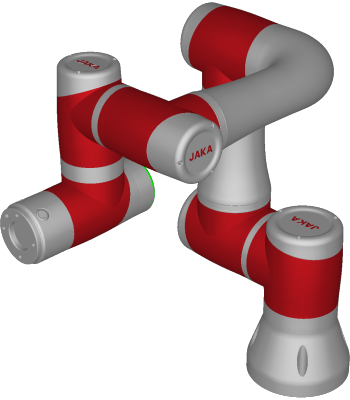 JAKA Zu 3 Collaborative Robot